10 Tips to Improve Car Engine Performance
If you’ve ever felt frustrated by your car’s sluggish engine or noticed a drop in performance, you’re not alone. Many drivers struggle with keeping their engines running smoothly and efficiently. The good news is, with a few simple steps, you can significantly boost your car engine performance and enjoy a more responsive ride.
You can boost your car’s engine performance by regularly replacing the air filter and using high-quality engine oil changed on schedule. Keep your spark plugs clean and properly adjusted, and maintain a clean fuel system with good additives to prevent deposits.
Tuning your engine timing and upgrading air intake and exhaust systems also help. Driving smoothly and staying on top of routine maintenance protects your engine’s health. There’s a lot more to investigate for maximizing your engine’s power and efficiency.
Car Engine Performance Key Takeaways
- Regularly replace the air filter to ensure proper airflow and prevent engine strain. This simple step keeps your engine breathing easy.
- Use high-quality engine oil and change it at recommended intervals. Doing this reduces friction and wear, helping your engine run smoothly.
- Maintain proper engine timing for optimal spark ignition. This improves fuel efficiency and keeps your engine performing well.
- Upgrade intake and exhaust systems to enhance airflow and boost horsepower. These modifications can really give your engine a noticeable kick.
- Practice smooth acceleration, timely gear shifts, and routine diagnostics. These habits help prolong your engine’s life and keep it running strong.
Check and Replace Your Engine Air Filter
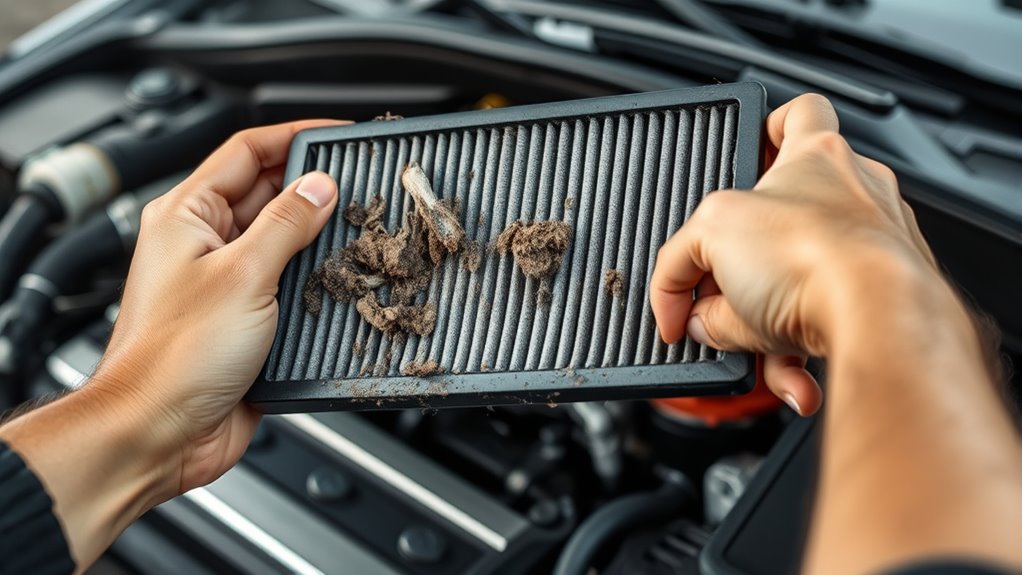
Although it’s easy to overlook, checking and replacing your engine air filter plays an essential role in maintaining your car’s performance. A dirty or clogged air filter restricts engine airflow, causing your engine to work harder and reducing fuel efficiency. By scheduling regular air filter replacement, you guarantee that clean air flows freely into the engine, which improves combustion and maximizes power output.
You don’t need to be a mechanic to inspect your air filter. Just open the air filter housing and look for dirt, dust, or debris. If it looks clogged or darkened, it’s time to replace it. Keeping your air filter clean not only improves engine airflow but also protects internal components from harmful particles.
Make air filter replacement a routine part of your car maintenance, and you’ll notice smoother acceleration, better fuel economy, and an overall boost in engine performance. Don’t wait until it’s too late. Your engine will thank you.
Use High-Quality Engine Oil and Change It Regularly
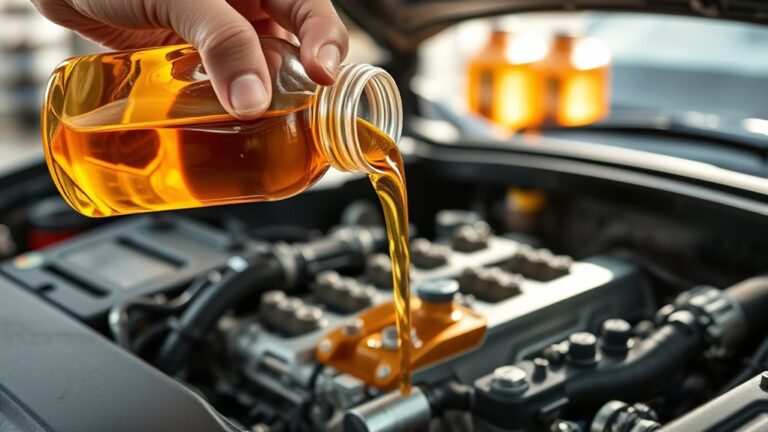
You’ll want to use high-quality engine oil to keep your engine running smoothly and prevent wear. It’s a simple step, but it makes a big difference. Changing your oil at the right intervals is just as important—it helps maintain peak performance and can save you from costly damage down the road. Keep an eye out for signs like dark, gritty oil or unusual engine noise; those are good clues that it’s time for an oil change.
Benefits of Quality Oil
One of the easiest ways to boost your car’s engine performance is by using high-quality engine oil and changing it regularly. Quality oil ensures your engine’s lubrication system works efficiently, reducing friction and wear between moving parts.
This keeps your engine running smoothly and prevents overheating, which can cause serious damage. High-grade engine oil also helps keep internal components clean by minimizing sludge buildup, improving overall engine health.
When you choose the right oil, you protect crucial components like pistons and bearings, extending your engine’s lifespan. Plus, a well-lubricated engine performs better, delivering improved fuel efficiency and power.
Optimal Oil Change Frequency
Maintaining your engine’s performance doesn’t stop at choosing the right oil; regular oil changes play an essential role in keeping your engine running smoothly. When you change your oil on time, you ensure that the oil viscosity remains perfect, allowing it to lubricate engine parts effectively, especially under varying engine temperature conditions.
Skipping or delaying oil changes can cause the oil to thicken or thin out, reducing its protective qualities and increasing wear. Check your vehicle’s manual for recommended oil change intervals, but generally, changing oil every 5,000 to 7,500 miles is a good rule.
Using high-quality engine oil and sticking to a consistent schedule helps maintain ideal oil viscosity, ensuring your engine stays cool and performs at its best over time.
Signs of Oil Degradation
Although high-quality engine oil can considerably extend your engine’s life, it will eventually degrade and lose its effectiveness. You need to watch for signs of oil degradation to prevent damage.
Dark, thick oil indicates oil contamination, which reduces lubrication and causes engine components to wear faster. If you notice a burnt smell or increased engine noise, your oil might be breaking down.
Furthermore, engine sludge buildup is a clear sign that your oil is no longer protecting your engine properly. Sludge clogs passages, leading to overheating and poor performance.
Regularly check your oil’s color and consistency and change it as recommended. By staying alert to these signs, you’ll keep your engine running smoothly and avoid costly repairs.
Keep Your Spark Plugs Clean and Properly Adjusted
You should regularly clean your spark plugs to prevent any buildup that might mess with your engine’s performance. Also, it’s important to check that the gap between the electrodes is properly adjusted. This helps ensure efficient ignition. By keeping up with these simple maintenance steps, you’ll help your engine run smoothly and save on fuel.
Spark Plug Maintenance Tips
One essential step to keep your engine running smoothly is to regularly check and clean your spark plugs. Dirt and carbon buildup can reduce their efficiency, causing misfires or poor fuel economy.
When you perform spark plug installation, make sure to handle the plugs carefully to avoid damaging the electrodes. Inspect the electrode gap closely; while the exact adjustment is covered separately, you should confirm the gap isn’t visibly distorted or corroded.
Use a wire brush or spark plug cleaner to remove deposits without harming the electrodes. Regular maintenance extends the life of your plugs and helps maintain ideal combustion.
Proper Gap Adjustment
Since the gap between your spark plug electrodes directly affects ignition efficiency, keeping it properly adjusted is essential for ideal engine performance. If the gap’s too wide or narrow, your ignition timing can suffer, leading to misfires and reduced fuel efficiency.
To guarantee your engine runs smoothly, focus on these three key steps:
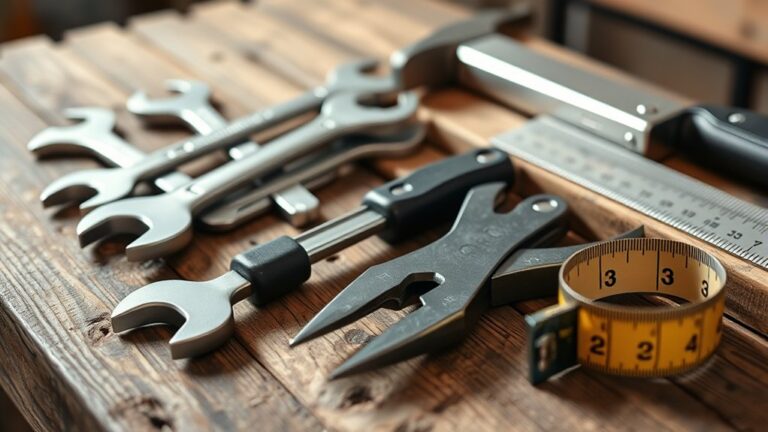
- Measure the gap with a feeler gauge to match your car’s specifications precisely.
- Adjust the gap carefully by bending the ground electrode without damaging the plug.
- Regularly clean your spark plugs to prevent buildup that affects the gap and ignition timing.
Clean and Maintain Your Fuel System for Better Combustion
Although it might seem minor, cleaning and maintaining your fuel system plays a crucial role in ensuring efficient combustion. Over time, dirt and deposits can clog fuel injectors, reducing fuel flow and affecting engine performance.
By regularly scheduling fuel system diagnostics, you can identify issues early before they cause serious problems. These diagnostics help detect clogged injectors, fuel pump wear, or filter blockages that impair combustion efficiency.
Injector cleaning is a key part of fuel system maintenance. Professional cleaning restores proper spray patterns, ensuring the fuel mixes well with air for optimum combustion. You can also use specialized equipment for ultrasonic injector cleaning, which thoroughly removes stubborn deposits.
Keeping your fuel system clean not only boosts engine power but also improves fuel economy and reduces emissions. Don’t overlook this essential maintenance step. Regular fuel system diagnostics and injector cleaning keep your engine running smoothly and efficiently.
Use Fuel Additives to Improve Engine Performance and Prevent Deposits
You can boost your engine’s performance by using the right fuel additives. These additives help clean your fuel system and prevent harmful deposits from building up.
There are different types of additives that target specific issues, like improving combustion or protecting fuel injectors.
Benefits of Fuel Additives
Fuel additives can play an essential role in boosting your car’s engine performance by cleaning deposits and improving fuel quality. When you use the right additives, you’ll notice immediate benefits that make a real difference.
- Improved fuel efficiency. Additives help your engine burn fuel more completely, so you get more miles per gallon.
- Enhanced emission control. They reduce harmful emissions by preventing buildup, helping your car run cleaner and pass inspections.
- Smoother engine operation. Additives keep fuel injectors and intake valves free of deposits, reducing rough idling and stalling.
Types of Fuel Additives
When looking to boost your engine’s performance and prevent harmful deposits, understanding the different types of fuel additives is key. You’ll find additives designed to improve fuel efficiency by improving combustion quality, helping your engine run smoother and use less fuel.
Others focus on emission control, reducing harmful pollutants released into the air. Detergent additives clean your fuel injectors and intake valves, maintaining ideal engine function.
Anti-corrosion additives protect metal parts from rust, extending engine life. Some additives stabilize fuel during storage, preventing degradation.
How Additives Prevent Deposits
Several types of additives work together to prevent harmful deposits from forming inside your engine. These additives are vital because they maintain fuel efficiency and guarantee deposit prevention, keeping your engine running smoothly. Here’s how they help:
- Detergents clean fuel injectors and intake valves, preventing buildup that can reduce performance.
- Dispersants break down existing deposits, stopping them from clumping and causing blockages.
- Corrosion inhibitors protect metal surfaces from rust and wear caused by deposits and contaminants.
Ensure Your Engine Cooling System Is Efficient and Leak-Free
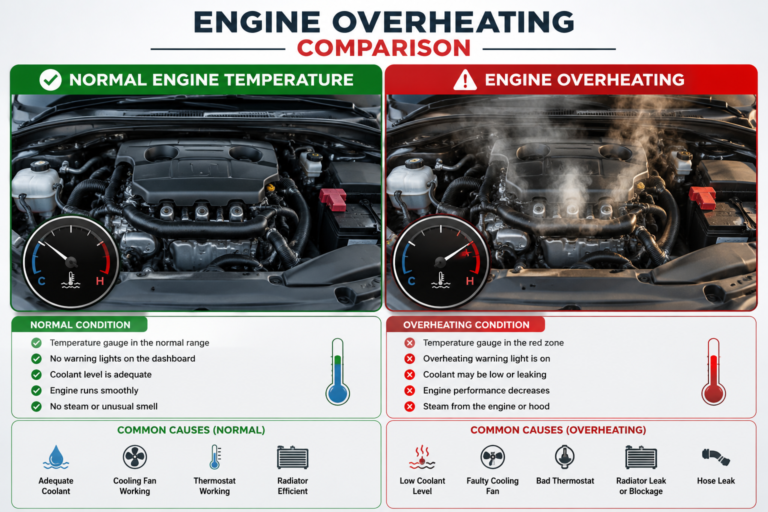
Because your engine generates a lot of heat during operation, keeping the cooling system efficient and leak-free is essential to prevent overheating and potential damage. Start by prioritizing radiator maintenance. Regularly inspect it for debris, corrosion, and leaks. A clean radiator ensures proper airflow and cooling efficiency. Don’t forget to check the radiator cap, as a faulty seal can cause coolant loss and pressure issues.
Next, focus on coolant replacement. Over time, coolant loses its ability to regulate temperature and protect against corrosion. Follow your vehicle’s recommended schedule to drain and refill the coolant, using the correct type for your engine. Also, check hoses and connections for cracks or leaks and replace them if needed. Maintaining a leak-free system not only preserves engine temperature but also improves overall performance and longevity. By staying on top of these simple steps, you’ll keep your engine running cooler and more efficiently.
Tune Your Engine Timing for Optimal Power
Although it might seem technical, tuning your engine timing can dramatically boost your car’s power and efficiency. Engine timing controls when the spark plug fires in the combustion chamber, and getting the best spark means your engine runs smoother and stronger.
Tuning engine timing may seem technical but significantly enhances your car’s power, efficiency, and smooth performance.
Here’s why you should fine-tune your engine timing:
- Maximize Power Output: Proper timing ensures fuel ignites at the perfect moment, releasing your engine’s full potential.
- Improve Fuel Efficiency: Ideal spark timing reduces wasted fuel, saving you money at the pump.
- Prevent Engine Damage: Incorrect timing can cause knocking or pinging, which harms your engine over time.
You can adjust timing with a timing light or have a professional do it for you. Regularly tuning your engine timing keeps your car running at peak performance, helping you enjoy a more responsive and reliable ride. Don’t overlook this simple step in boosting your engine’s overall performance.
Upgrade Your Air Intake and Exhaust Systems for Better Performance
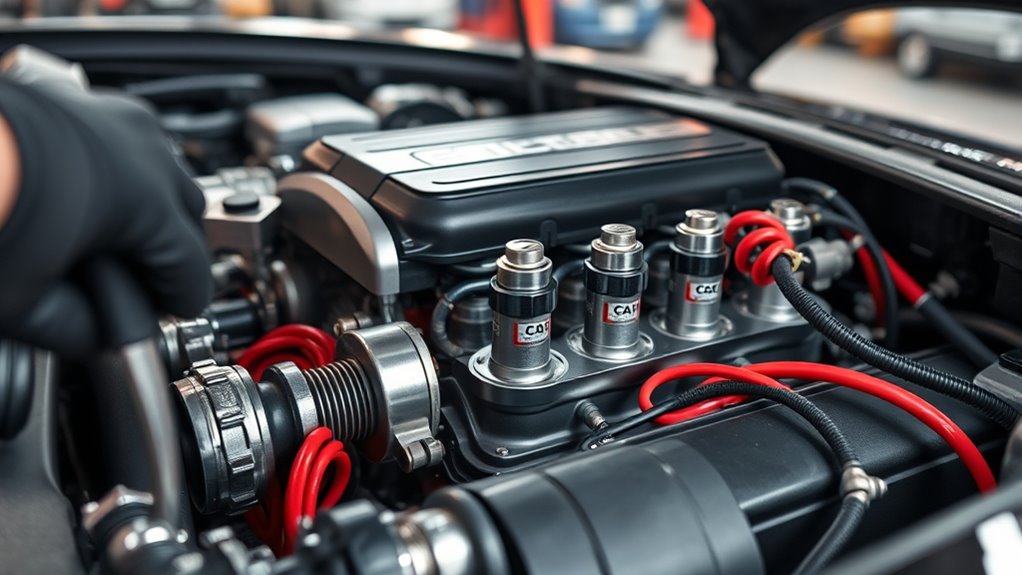
Upgrading your air intake and exhaust systems can considerably boost your engine’s performance by improving airflow. When you install a high-performance air intake, it allows more cool air to enter your engine, which increases combustion efficiency. This means your engine can burn fuel more effectively, resulting in better horsepower and acceleration.
Similarly, enhancing your exhaust system helps expel exhaust gases faster, reducing backpressure. This improves engine breathing, enabling it to work more efficiently and produce more power. You can choose from various aftermarket exhaust options, like cat-back or headers, depending on your needs.
Drive Smart to Boost Engine Performance and Longevity
Improving your engine’s hardware is just one part of boosting performance. How you drive plays a big role too. By adopting smart driving habits, you not only improve engine power but also extend its lifespan.
Practicing eco-friendly driving reduces unnecessary strain on your engine and promotes fuel efficiency. Staying alert with traffic awareness helps you avoid sudden stops and starts, which can wear down engine components prematurely.
Here are three ways you can drive smarter:
- Accelerate gently and avoid rapid throttle changes to maintain smooth engine operation.
- Anticipate traffic flow to minimize abrupt braking and idling time.
- Shift gears at ideal RPMs to prevent overworking your engine.
Regular Engine Maintenance Tips to Save Money and Enhance Power
Since regular maintenance keeps your engine running smoothly, it’s one of the best ways to save money and boost performance. You should schedule routine engine diagnostics to catch potential issues early, preventing costly repairs down the line.
These diagnostics help identify problems like misfires or sensor failures that can reduce power and fuel efficiency. Don’t skip oil changes, air filter replacements, or spark plug checks. Each plays a vital role in keeping your engine at peak performance.
Performance tuning is another key step. By adjusting fuel mixtures and ignition timing, you can optimize your engine’s output and responsiveness. Staying on top of these tasks guarantees your engine runs efficiently, saves fuel, and delivers the power you expect.
Frequently Asked Questions
How Does Engine Performance Affect Fuel Economy?
Engine performance directly impacts your fuel efficiency because a well-tuned engine runs smoother and burns fuel more effectively. When your engine’s tuning is off, it wastes fuel, reducing mileage.
Can Engine Performance Upgrades Void My Car Warranty?
Back in the days of the Model T, tinkering with your car risked voiding warranties, and today, it’s no different. Yes, engine performance upgrades can void your warranty depending on manufacturer policies and warranty implications.
You should check your car’s specific terms because some manufacturers strictly prohibit modifications, while others allow them if unrelated to the issue. Always consult your warranty documents or dealer before making upgrades to avoid surprises.
What Role Does Engine Compression Play in Performance?
Engine compression plays a vital role in performance by affecting the compression ratio and cylinder pressure. When you increase the compression ratio, your engine squeezes the air-fuel mixture tighter inside the cylinder, raising cylinder pressure.
This boost helps produce more power with each combustion cycle. So, by optimizing compression, you improve efficiency and power output, making your engine respond better and deliver stronger performance overall.
How Do Different Driving Conditions Impact Engine Wear?
Different driving conditions directly impact engine wear because your driving habits and climate effects play big roles. Aggressive driving, like rapid acceleration or hard braking, increases engine strain and wear.
Likewise, extreme climates, hot or cold, can cause your engine to work harder, leading to faster wear. By driving smoothly and adjusting to weather conditions, you can reduce engine stress and extend its lifespan considerably.
Are Electric Vehicles Affected by the Same Engine Performance Tips?
Electric efficiency excels differently. You won’t need traditional engine tips for electric vehicles because they rely on electric motor efficiency and battery health management instead.
You should focus on keeping your battery charged properly, avoiding extreme temperatures, and minimizing rapid acceleration or heavy braking. These actions help maintain your EV’s performance and prolong battery life, unlike conventional engines where oil changes and fuel quality matter more.
Conclusion
So, if you want your engine to run like a dream instead of a noisy disaster, don’t just hope for the best. Get your hands dirty! Skip these tips, and you might enjoy the thrilling symphony of sputters and stalls.
But if you prefer smooth rides and fewer visits to the mechanic, follow these simple steps. After all, your car deserves more than just a prayer and crossed fingers, right? Improving car engine performance is easier than you think!