10 Best Tips to Keep Rodents Out of Your Car Engine
Dealing with rodents nesting in your car engine is more common than you might think. If you’ve found chewed wires, strange noises, or nests under your hood, you’re not alone. Many people struggle with this frustrating problem every year, leading to costly repairs and unexpected headaches.
To keep rodents out of your car engine, park in well-lit areas away from bushes and debris, and keep the surrounding space clean by removing leaves and trash.
Avoid leaving food or pet supplies nearby, and regularly check under your hood for nests or damage.
Seal any openings and use rodent-resistant wiring or engine covers.
Natural repellents like peppermint oil can help, too. Follow these tips, and you’ll be better prepared to protect your vehicle from costly rodent damage.
Keep Rodents Out of Your Car Engine Key Takeaways
- Park in well-lit, open areas away from dense vegetation and potential rodent habitats. This helps reduce the chances of critters sneaking into your engine.
- Regularly inspect the engine bay for nests, droppings, gnaw marks, and damaged wiring. Catching these signs early can save you a lot of hassle.
- Seal holes, cracks, and openings in the engine bay using silicone, foam, or rubber grommets. This blocks easy access points rodents love to use.
- Use natural repellents like peppermint oil or install ultrasonic deterrents near the engine compartment. These can keep rodents away without harsh chemicals.
- Maintain a clean environment by removing debris, fallen fruits, and storing food or trash securely away from the vehicle. Keeping things tidy makes your car less attractive to pests.
How Rodents Damage Your Car Engine
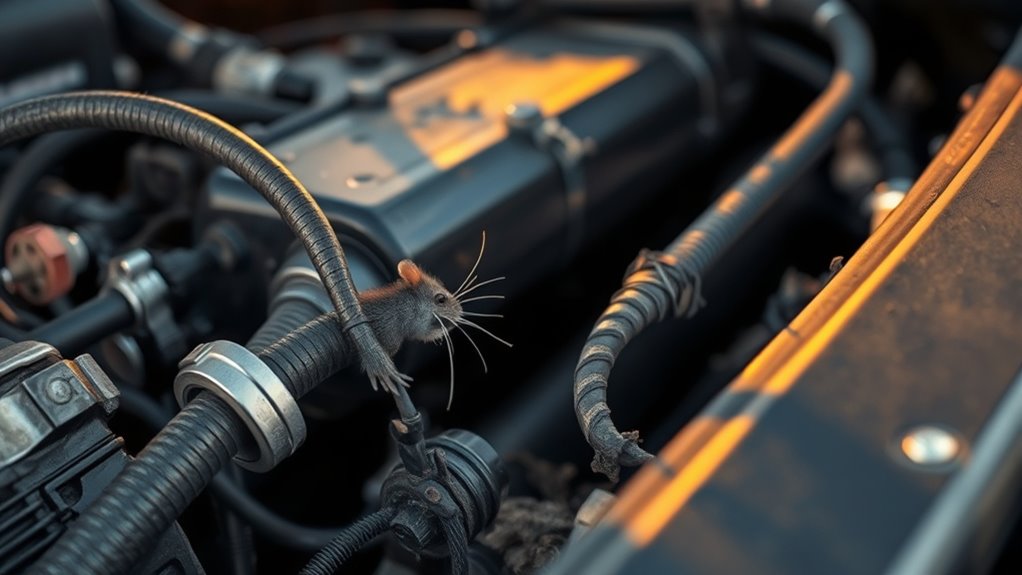
Although it might seem unlikely, rodents can cause serious damage to your car engine by chewing through wires, hoses, and insulation. When rodents gnaw on electrical wiring, they disrupt the circuits, which can lead to engine overheating or complete electrical failure.
Damaged wires can also cause your car to stall unexpectedly, leaving you stranded. Furthermore, rodents often target the fuel system, chewing on fuel lines and causing fuel system damage that can lead to leaks, poor engine performance, or even fire hazards.
The insulation rodents strip away exposes components to moisture and dirt, accelerating wear and increasing the risk of costly repairs. If you ignore early signs like chewed wires or strange engine behavior, the damage can quickly escalate.
Protecting your engine from these pests is essential, as repairs related to rodent damage often cost hundreds or even thousands of dollars. Taking steps to prevent rodents from accessing your engine keeps your car safe and running smoothly.
Choose Parking Spots Away From Rodent Habitats
You’ll want to avoid parking near places where rodents like to nest, like overgrown bushes or piles of debris. Instead, try to find well-lit areas that aren’t so inviting to these pests. Just taking a moment to pick the right spot can really cut down the chances of rodents making a home in your engine.
Identify Common Rodent Areas
Spotting common rodent areas around your parking space is key to keeping these pests away from your car engine. Rodents often gather near dense vegetation, piles of debris, or wood, which serve as hiding spots or nesting sites.
Garden pests attract rodents, so if you park near unkempt gardens or compost heaps, you’re inviting trouble. Check for signs like droppings, gnaw marks, or burrows near your parking spot. If you notice these, it’s a signal to move your car elsewhere.
Regular pest control around your property, especially near garages or sheds, can reduce rodent populations. By identifying and avoiding these common rodent areas, you’ll take an essential step toward protecting your car engine from unwanted damage caused by these persistent intruders.
Opt For Well-Lit Spots
Choosing well-lit parking spots can greatly reduce the risk of rodents making a home in your car engine. Rodents prefer dark, quiet areas that offer shelter, so parking in areas with good lighting conditions discourages their presence.
When planning your parking strategies, always opt for spots that are well illuminated and away from known rodent habitats like overgrown bushes or piles of debris. Bright lighting not only deters rodents but also makes it easier for you to inspect your vehicle for any signs of infestation.
Keep the Area Around Your Car Clean to Deter Rodents
Because rodents are attracted to clutter and food sources, keeping the area around your car clean plays a crucial role in deterring them. You want to create an environment that’s uninviting for these pests, which means removing anything that might attract or shelter them. Regular car cleaning isn’t just about appearance; it supports your engine maintenance by preventing rodent-related damage caused by nesting or chewing wires.
To keep the area rodent-free, focus on clearing away leaves, trash, and debris around your parking spot. Also, avoid storing food containers or pet food near your vehicle. Plus, keeping grass trimmed and bushes well-maintained helps reduce hiding spots.
Use Natural Rodent Repellents Near Your Vehicle
How can you protect your car from rodents without using harsh chemicals? Natural repellents offer an effective and eco-friendly solution. You can place scent deterrents like peppermint oil, eucalyptus, or cedar chips near your vehicle to keep rodents at bay.
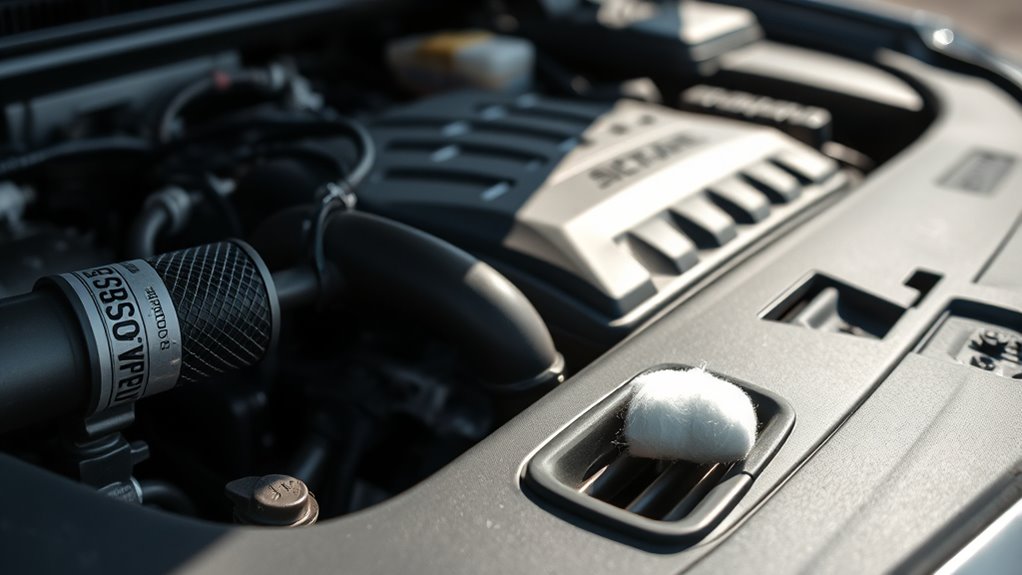
These natural repellents produce odors rodents find unpleasant, encouraging them to stay away without causing harm. To use scent deterrents effectively, apply essential oils to cotton balls and tuck them in areas around your car or garage where rodents might enter.
Refresh these regularly to maintain the strong scent. You can also scatter dried herbs like lavender or rosemary nearby.
Seal Engine Openings to Keep Rodents Out
While natural repellents help keep rodents away, securing your car’s engine itself adds an extra layer of defense. Rodents often enter through small gaps in the engine compartment, so applying proper sealing techniques can drastically reduce their access.
Start by inspecting your engine bay for holes, cracks, and openings where wiring or hoses pass through. Use weather-resistant sealants or rubber grommets to close these gaps effectively. Don’t forget areas around the firewall and air intake.
Here are key sealing techniques to focus on:
- Use silicone or foam sealant around cable and pipe openings
- Install rubber grommets where wires pass through metal panels
- Replace worn or missing engine bay covers and splash shields
Install Electronic Rodent Deterrents in the Engine Bay
You can install electronic rodent deterrents in your engine bay—they work by emitting sounds or vibrations that keep pests away. Just make sure to place them exactly as the manufacturer recommends so you get the best coverage possible. And don’t forget to check on them regularly and keep them maintained; that way, they’ll stay effective over time.
How Deterrents Work
Since rodents rely heavily on their keen sense of hearing and smell, electronic rodent deterrents target these senses to keep them away from your car engine. Ultrasonic devices emit high-frequency sounds that are unpleasant to rodents but inaudible to humans. This makes your engine bay a hostile place for them. Chemical barriers create scents or tastes rodents find offensive, discouraging them from nesting or chewing on wires.
Here’s how deterrents work:
- Ultrasonic devices disrupt rodents’ communication and cause discomfort.
- Chemical barriers mask attractive smells and repel rodents.
- Combination approaches increase effectiveness by attacking multiple senses.
Installation Tips
Installing electronic rodent deterrents in your engine bay requires careful placement to maximize their effectiveness and guarantee they stay protected from heat and moisture. Position them near wiring and hoses, common targets for rodents, but avoid direct contact with hot engine parts.
Secure deterrents firmly to prevent vibration damage during driving. Proper installation helps you maintain your engine maintenance routine without worrying about rodent damage.
Here’s how installation impacts your peace of mind:
| Benefit | Emotion Felt |
|---|---|
| Rodent prevention | Relief |
| Protected engine | Confidence |
| Easy access for checks | Convenience |
| Long-lasting device | Satisfaction |
With thoughtful installation, you’ll improve rodent prevention and keep your engine in top shape.
Maintenance And Effectiveness
Although electronic rodent deterrents require minimal upkeep, regular maintenance guarantees they continue to perform effectively in your engine bay. Checking them ensures your engine cooling system isn’t compromised by nests or debris. This helps maintain peak fuel efficiency.
Here’s what you should do to keep your deterrents working right:
Inspect wiring and connections monthly to prevent shorts or disconnections. Clean the device and surrounding area to avoid dust buildup that can reduce effectiveness. Test the unit regularly to confirm it emits ultrasonic waves as intended.
Use Rodent-Resistant Wiring and Protective Engine Covers
When you choose rodent-resistant wiring and protective engine covers, you create a strong barrier against curious pests. These specialized materials use tough sheathing that rodents find hard to chew through, reducing the risk of costly damage. Installing protective covers over your engine also limits access to wiring and other vulnerable parts, making your car less inviting to unwanted guests.
To further improve protection, consider integrating wireless alarms that alert you if rodents attempt to enter your vehicle. These devices provide real-time warnings, allowing you to act quickly. Furthermore, store any tools or car supplies in rodent-proof containers to keep your garage environment less attractive to pests.
Together, these measures form a thorough defense system, greatly minimizing rodent intrusion. By investing in rodent-resistant wiring, protective covers, wireless alarms, and rodent-proof containers, you’re taking proactive steps to safeguard your car’s engine from damage.
Avoid Leaving Food or Trash Near Your Car
You shouldn’t leave food or trash near your car—rodents are always on the lookout for a quick meal. So, it’s a good idea to dispose of garbage properly and keep the area around your vehicle clean. This simple habit can really help cut down the chances of rodents making a nest in your engine.
Food Attracts Rodents
Since rodents are constantly on the lookout for food, leaving snacks or trash near your car makes it an attractive hiding spot. Understanding rodent behavior helps you see why they’re drawn to food sources. Poor food storage outside your vehicle signals an easy meal, encouraging rodents to investigate your engine compartment.
To prevent this, you should:
- Store all food securely indoors or in sealed containers.
- Avoid eating or leaving crumbs around your parking area.
- Regularly clean up spills or dropped snacks near your car.
Proper Trash Disposal
How often do you think about where your trash ends up after snacking near your car? Proper trash disposal is essential to prevent rodents from being attracted to your vehicle.
When you leave food wrappers, crumbs, or any waste near your car, you’re inviting unwanted pests looking for an easy meal. By practicing good waste management habits, like immediately disposing of trash in sealed bins and avoiding littering, you reduce the chances of rodents nesting close to your engine.
Always carry a small, sealable bag for your trash if no bins are nearby. This simple step keeps your car area clean and discourages rodents from making your engine their home.
Clean Surrounding Areas
Proper trash disposal helps keep rodents away, but it’s just as vital to maintain cleanliness around your car. Avoid leaving food scraps or trash near your vehicle, as these attract both garden pests and indoor rodents seeking easy meals. Keeping the area tidy reduces hiding spots and discourages infestations.
Here’s what you can do to keep the surroundings clean:
- Remove fallen fruits, nuts, or seeds regularly to prevent garden pests.
- Store trash bins with secure lids away from your parking spot.
- Clear leaves and debris that provide shelter for indoor rodents.
Regularly Inspect Your Car for Rodent Signs
Checking your car for signs of rodents at least once a week can save you from costly damage. Start by opening the hood and looking for nests or chewed wires around the engine compartment. Rodents often target rubber hoses and wiring, which can disrupt your engine coolant system and lead to overheating.
You should also check under the car and around the tires for droppings or nesting materials.
Don’t forget to inspect your tire pressure regularly. Rodents sometimes chew on tire valves or sensors, causing slow leaks you might miss until it’s too late. If you notice unusual damage or a sudden drop in tire pressure, investigate further.
Check Your Car Regularly to Spot Rodent Damage Early
Since rodents can cause serious damage quickly, you should examine your car regularly to catch any issues early. Checking your vehicle often helps you spot chewed wires, nests, or leaks before they lead to costly repairs.
Pay special attention to crucial areas like the engine compartment, where rodents may tamper with engine oil seals or wiring, and the tires, which might show unusual wear if tire pressure drops due to punctures.
Here’s what to focus on during your inspection:
- Look for gnaw marks on wiring and hoses near the engine oil reservoir.
- Check tire pressure frequently to detect slow leaks caused by rodent bites.
- Inspect under the hood for nesting materials or droppings.
Frequently Asked Questions
Can Rodents Cause Car Battery Failure?
Yes, rodents can cause car battery failure. When they build nests inside your engine bay, they often chew on wires connected to the battery, disrupting electrical flow.
They also damage engine insulation, which can lead to short circuits or increased wear on components. This damage can drain your battery or prevent it from charging properly, leaving you stranded.
Are Certain Car Brands More Prone to Rodent Damage?
Yes, certain car brands tend to attract rodents more, especially those with cozy rodent entry points like gaps in the engine bay. Studies show rodents cause over $300 million in vehicle damage annually.
You’ll notice car interior smells, like a musky odor, when rodents’ve taken up residence inside wiring or ventilation. If you drive brands with softer insulation or rubber components, you should stay extra vigilant to prevent costly damage.
How Quickly Can Rodents Damage Engine Wiring?
Rodents can start damaging your engine wiring within just a few hours or days after nesting in your car. They chew through engine insulation quickly because it’s soft and easy to gnaw on.
If you don’t catch it early, you’ll face costly wiring repair since damaged insulation exposes wires, causing shorts or failures. Regularly inspecting your engine and addressing any signs of chewing can save you from extensive wiring repair down the road.
Do Rodents Prefer Gasoline-Powered Cars Over Electric Ones?
Rodents don’t have a fuel preference that makes gasoline-powered cars their favorite buffet. They’ll chew on anything with tasty wiring! But you do get an electric advantage since electric cars often have fewer accessible engine components and less enticing smells like fuel or oil.
Can Professional Pest Control Services Help Protect My Car?
Yes, professional pest control services can help protect your car by identifying and sealing rodent entry points effectively. They use specialized techniques to safeguard your car insulation protection, preventing rodents from nesting or chewing wires.
Conclusion
Keeping rodents out of your car engine is like guarding a treasure chest; you need to be vigilant and proactive. By choosing parking spots wisely, sealing engine openings, and regularly checking for signs of rodents, you can protect your vehicle from costly damage.
Don’t forget to keep your surroundings clean and avoid leaving food nearby. With these simple steps, you’ll keep your car safe and running smoothly, free from unwelcome rodent visitors. Following these tips is key to keeping rodents out of your car engine for good.