5 Effective Tips to Keep Rats Away From Your Car Engine
If you’ve ever found mysterious chewing marks or even nests in your car engine, you’re not alone. Many people struggle with keeping rats away from their vehicles, especially since these critters can cause serious damage that leads to costly repairs.
The good news is, there are effective ways to protect your car and keep those unwanted visitors at bay.
To keep rats away from your car engine, remove food scraps and debris around your vehicle and park in well-lit, open areas to deter hiding. Use natural repellents like peppermint oil soaked cotton balls or commercial products safely. Protect wiring with rodent-proof insulation and regularly check for nests, droppings, or chewed wires.
Maintaining a clean parking spot and sealing gaps in garages also helps prevent reinfestation. Uncover additional tips to safeguard your car from these costly critters.
Key Takeaways
- Keep the parking area clean and free of food debris to avoid attracting rats. This simple step can make a big difference.
- Park your car in open, well-lit spaces to discourage rodents from hiding around it.
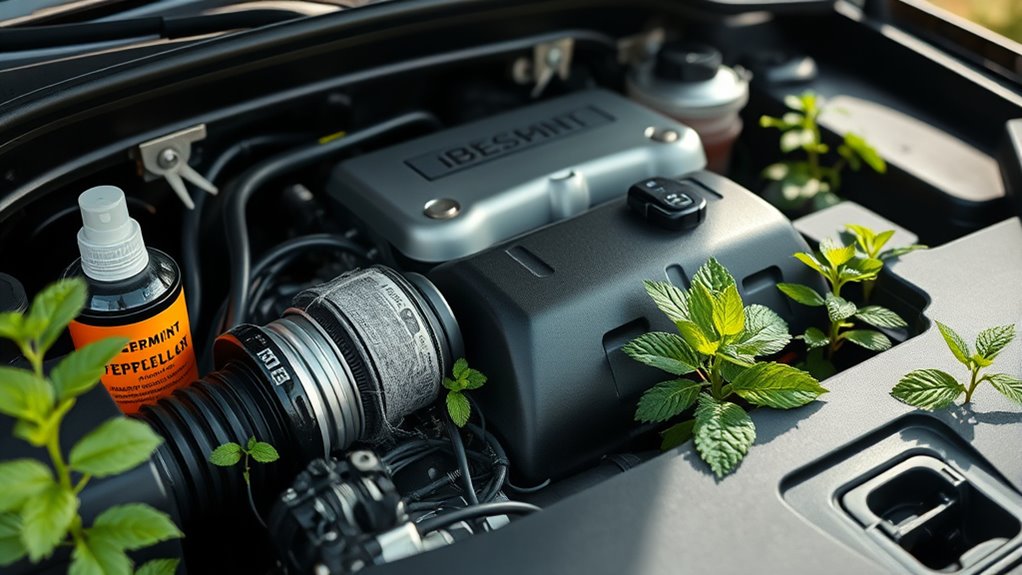
- Use natural repellents like peppermint oil or crushed red pepper flakes around the engine bay to keep rats away.
- Install rodent-proof insulation and wire looms to protect your engine wiring from chewing damage.
- Regularly inspect the engine compartment for nests, droppings, or any signs of rodent activity. Catching problems early helps a lot.
Simple Ways to Keep Rats Out of Your Car Engine
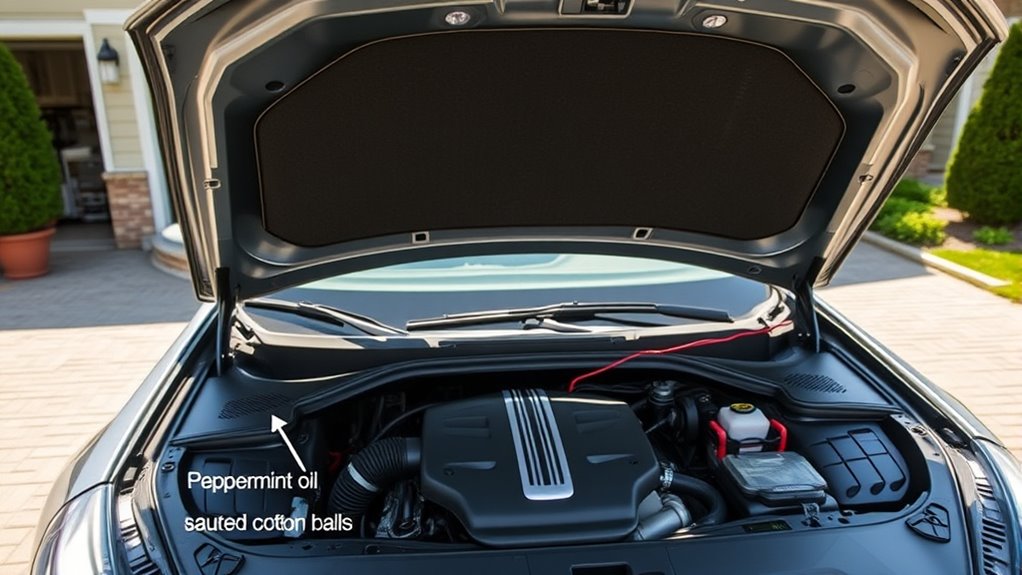
Although rats can sneak into tight spaces, you can take simple steps to keep them out of your car engine. Start with regular car cleaning. Remove any food wrappers, leaves, or debris from around your vehicle, as these can attract rodents. Keep your parking area clean and well-lit to discourage them from hanging around.
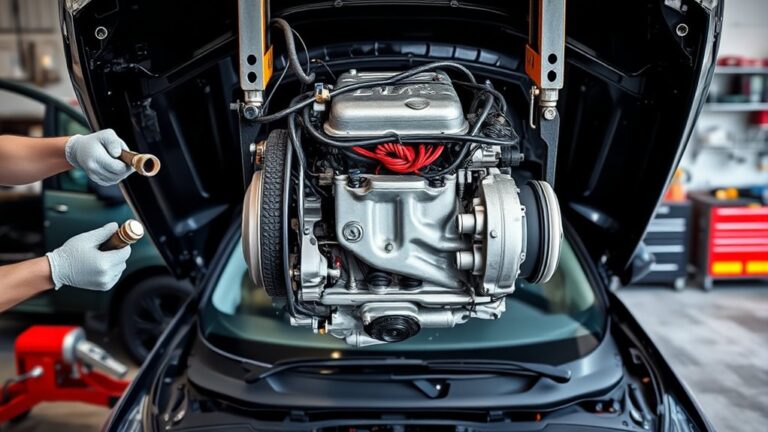
Next, schedule frequent engine inspections. By checking under the hood, you can spot any signs of rodent activity early. Look for loose wires or nests before they cause damage. When you inspect, make sure to close any openings or gaps where rats might enter.
Additionally, consider using deterrents like peppermint oil or commercial repellents around your car’s perimeter. These natural scents make the area less inviting for rats. Combining consistent car cleaning with thorough engine inspection considerably lowers the chances of rats nesting in your vehicle. You’ll protect your car and avoid costly repairs by staying proactive.
How to Spot Signs of Rats Nesting in Your Engine Bay
If you want to protect your car from costly damage, you need to know how to spot signs of rats nesting in your engine bay early. Rats are nocturnal and skilled at hiding, but their rodent behavior leaves clear clues.
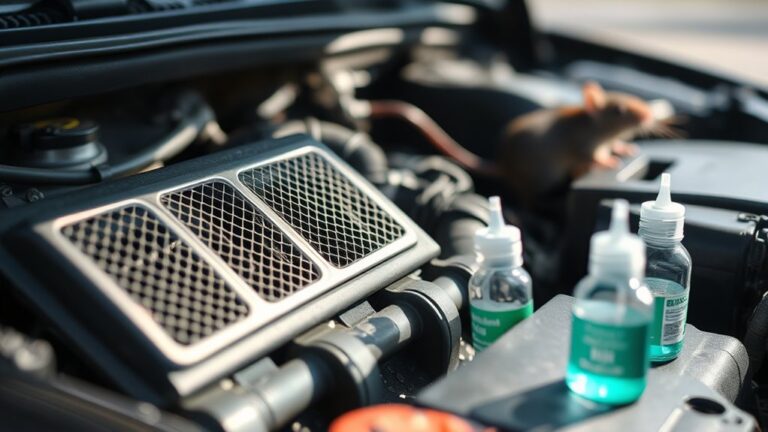
Look for shredded nesting materials like paper, fabric, or leaves tucked into corners or crevices around the engine. You may also notice droppings or greasy rub marks along wires and hoses, where rats frequently travel.
Listen for scratching or scurrying sounds, especially at night when rats are most active. A strong, musky odor might also indicate a rodent presence.
Check under the hood regularly, paying attention to any disturbed debris or chewed insulation. By recognizing these signs quickly, you can intervene before rats cause serious damage to wiring or components.
Staying vigilant about rodent behavior and spotting nesting materials early is key to keeping your engine bay rat-free.
Natural and Chemical Rat Repellents That Really Work
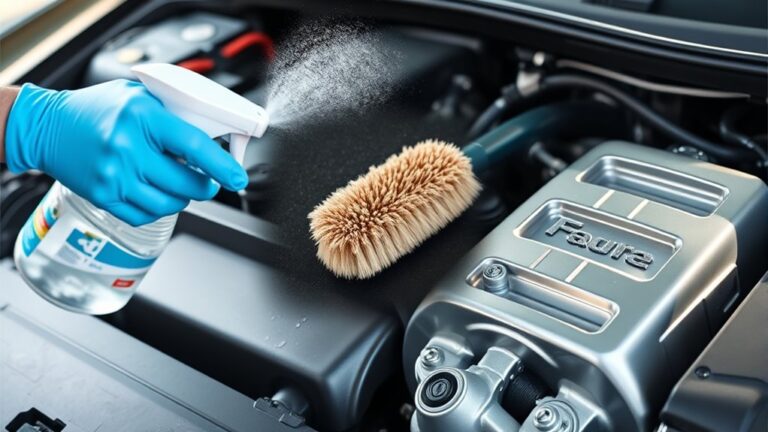
Noticing signs of rats in your engine bay means it’s time to take action before damage worsens. You can start by using natural repellents like peppermint oil or crushed red pepper flakes. Rats dislike these strong scents and tend to avoid areas treated with them.
Placing cotton balls soaked in peppermint oil around your car can be a simple yet effective deterrent. On the chemical side, commercial rodent repellents, often containing naphthalene or predator urine, can keep rats at bay. Just make sure you follow instructions to avoid damaging your vehicle or harming the environment.
To prevent future infestations, consider urban landscaping choices that discourage rodents. Using pest-resistant materials like gravel and metal mulch instead of dense shrubs reduces hiding spots near your parking area.
You can also remove food sources and debris that attract rats. Combining these natural and chemical methods with smart landscaping creates an effective barrier, keeping your engine bay rat-free.
Protecting Your Car’s Wiring From Rat Damage
Since rats are notorious for chewing on your car’s wiring, protecting these components is essential to avoid costly repairs and potential breakdowns. One of the best ways to safeguard your wiring is by installing rodent proof insulation around vulnerable cables. This specialized insulation deters rodents by making chewing difficult and uncomfortable.
Furthermore, using engine compartment insulation can reduce access points and create an environment less inviting to rats.
Consider these practical protection methods:
| Protection Method | Benefit |
|---|---|
| Rodent Proof Insulation | Prevents rats from chewing wires |
| Engine Compartment Insulation | Blocks entry points & nests |
| Wire Looms & Conduits | Adds a physical barrier |
| Regular Visual Inspection | Detects early signs of damage |
Maintenance Habits to Prevent Rats From Returning
To keep rats from coming back, you’ll need to adopt consistent maintenance habits that discourage them from settling near your car. Regular checks and upkeep of the engine compartment can deter rodents from finding cozy spots to nest. Using effective rodent proofing methods early on prevents costly damage and repeated infestations.
Consistent maintenance and early rodent proofing keep your car safe from costly rat damage.
Here are some key maintenance habits to help you keep rats away:
- Inspect the engine compartment weekly for signs of nests or droppings.
- Clean up any food crumbs or debris around your parking area.
- Seal gaps or holes in your garage or carport to block rodent entry.
- Use natural deterrents like peppermint oil or commercial rodent repellents regularly.
- Park your car in well-lit, open spaces to reduce hiding spots.
Frequently Asked Questions
Can Rats Transmit Diseases Through My Car Engine?
Yes, rats can transmit rodent-borne illnesses through car engine contamination. When they nest or chew wiring, their urine and droppings can spread harmful bacteria and viruses.
You might not see it, but this contamination increases your risk of exposure to diseases. So, it’s important you regularly inspect and clean your engine area to prevent any health hazards linked to these rodents in your vehicle.
Do Certain Car Models Attract Rats More Than Others?
Imagine your engine bay as a cozy little nest; certain car model preferences make some vehicles more inviting than others. You’ll find that cars with easier engine compartment access often attract rats more because they provide snug hiding spots and warmth.
Models with tight, compact engine designs tend to deter them. So, when choosing a car, consider how accessible the compartment is. Rats don’t just pick any car; they pick the one that feels like home.
How Quickly Can Rats Cause Serious Engine Damage?
Rats can cause serious engine damage in just a few days if you don’t act quickly. They chew through engine insulation and wiring, which can lead to costly repairs or even engine failure.
To protect your car, you should use rodent proofing materials like wire mesh or sprays designed to deter them. Taking these steps early helps prevent extensive damage and saves you from unexpected repair bills down the road.
Are Ultrasonic Rat Repellents Safe for My Car’s Electronics?
Ultrasonic technology is like a gentle breeze, effective yet harmless. You can rest easy knowing ultrasonic rat repellents are generally safe for your car’s electronics.
They emit high-frequency sound waves that deter pests without interfering with your vehicle’s electronic safety systems. Just make sure to buy a quality product designed specifically for automotive use, and you won’t have to worry about any hidden side effects on your car’s delicate electronic components.
Can Professional Pest Control Services Handle Rat Infestations in Cars?
Yes, professional pest control services can handle rat infestations in cars effectively. They use rodent proofing techniques to seal entry points and apply car insulation strategies that deter rodents from nesting.
These experts identify vulnerable areas and recommend customized solutions, protecting your vehicle from damage. By hiring professionals, you guarantee a thorough approach that goes beyond DIY methods, keeping your car safe and rat-free in the long run.
Conclusion
If you don’t act now, your car engine might become a five-star rat hotel, complete with tiny claw marks on your wiring and relentless midnight squeaks. But by spotting signs early, using effective repellents, and maintaining your engine space, you’ll keep these pesky intruders far away.
Don’t let rats turn your trusty ride into their personal playground. Take charge, protect your car, and enjoy a rat-free, smooth-driving experience with these effective tips to keep rats away from your car engine!