3 Factors That Affect How Much It Costs to Replace a Car Engine
Replace a Car Engine can feel overwhelming, especially when you’re trying to figure out what affects the cost. You’re not alone—many people struggle with understanding the factors that drive up expenses. Knowing what to consider can save you money and stress in the long run.
When replacing your car engine, you’ll want to contemplate three key factors: engine type, labor costs, and parts quality. The engine’s design affects compatibility and installation complexity, impacting the price.
Labor charges vary based on technician skill and location, which can raise or lower costs.
Parts quality plays a big role, too. Higher-quality parts cost more upfront but save you money long term.
Keep these in mind if you want to make the best choice for your vehicle and budget.
Replace a Car Engine Key Takeaways
- Engine type and compatibility with the vehicle significantly impact replacement and installation costs.
- Labor charges vary based on engine complexity, technician skill, and geographic location.
- The quality and cost of parts affect both initial expenses and long-term reliability.
- Compatibility issues can increase costs due to additional adjustments or repairs.
- Choosing skilled technicians and quality parts can optimize costs and reduce future problems.
How Engine Type Affects Car Engine Replacement Cost
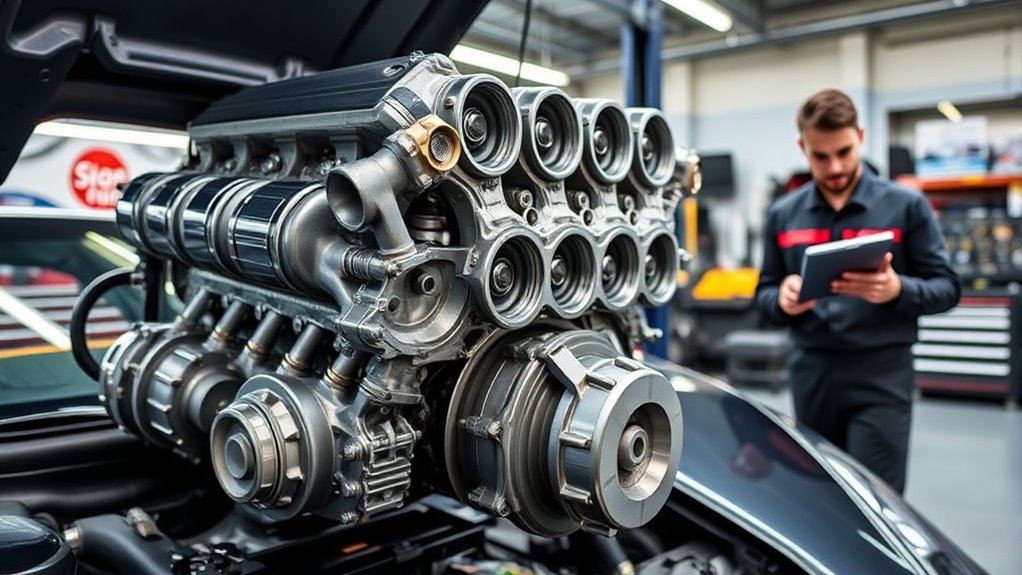
Because engine types vary widely in design and complexity, they directly impact how much you’ll pay to replace your car’s engine. When you choose an engine, you need to take into account engine compatibility with your vehicle’s make and model. Not all engines fit perfectly, so selecting one that matches your car’s specifications can save you money and prevent future problems.
You’ll also find that aftermarket options influence costs. Aftermarket engines often come at a lower price compared to original equipment manufacturer (OEM) engines, but you have to weigh quality and warranty differences. If you opt for an aftermarket engine, confirm it meets your vehicle’s requirements to avoid compatibility issues.
How Labor Charges Influence Engine Replacement Cost
While the cost of the engine itself plays a big role, labor charges can considerably affect your total engine replacement cost. Labor costs vary depending on how complex the engine swap is and how long it takes.
Labor charges significantly impact total engine replacement costs, varying with the complexity and duration of the swap.
If your car has a complicated engine setup, mechanics will spend more hours on the job, raising labor costs. The mechanic expertise also impacts the price; highly skilled technicians often charge more but can perform the replacement more efficiently and with fewer risks of errors.
You might save money by choosing less experienced labor, but that could lead to additional problems or longer repair times. Furthermore, labor rates fluctuate by location. Urban areas and specialty shops generally charge higher rates.
To keep labor charges reasonable, get a clear estimate upfront and ask about the mechanic’s experience with your vehicle type. Understanding how labor costs and mechanic expertise influence the price helps you make informed decisions during engine replacement.
How Parts Quality Impacts Your Engine Replacement Price
Labor charges can considerably impact your engine replacement cost, but the quality of the parts you choose also makes a big difference. Opting for high-quality parts often means a higher upfront price, but it can save you money over time by reducing the risk of future repairs.
Quality parts typically come with a better engine warranty, giving you peace of mind and protection against defects. On the other hand, cheaper parts might lower your initial cost but could lead to more frequent replacements or breakdowns, increasing your overall expenses.
The replacement timeline also depends on parts quality. Premium parts usually fit better and require less adjustment, speeding up the replacement process and cutting labor costs.
Choosing lower-quality parts might extend the replacement timeline due to compatibility issues or early failures. So, investing in quality parts not only protects your wallet long-term but also ensures a smoother, faster engine replacement.
Frequently Asked Questions
How Long Does a Typical Engine Replacement Take?
A typical engine replacement usually takes between 8 to 15 hours, depending on your car’s make and model. When you schedule engine repair, the replacement timeline can vary if there are complications or if parts need ordering.
You’ll want to plan for at least a few days, as some shops might spread the work over multiple sessions. Staying in touch with your mechanic helps you track progress and avoid surprises.
Can Insurance Cover Engine Replacement Costs?
You might wonder if insurance coverage will help with engine repair costs, and the answer is: it depends. Standard auto insurance usually won’t cover engine replacement unless the failure results from an accident or covered event.
All-inclusive or mechanical breakdown insurance might help, but they’re less common. You should check your policy details or talk to your insurer. Understanding your coverage can save you from unexpected engine repair costs down the road.
What Signs Indicate an Engine Needs Replacement?
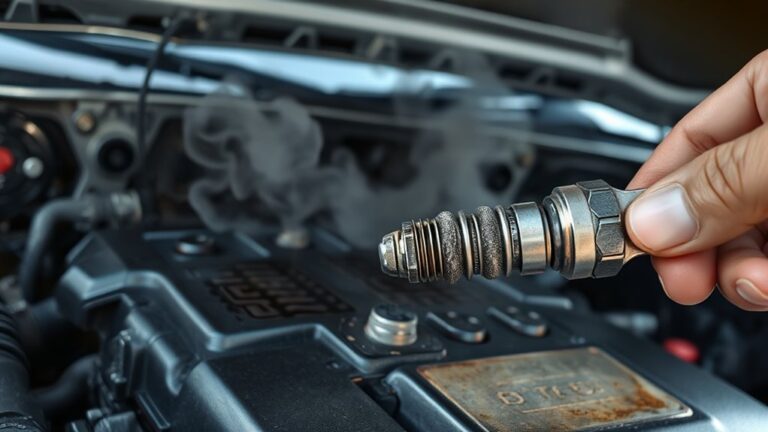
You’ll know your engine might need replacement when you notice excessive smoke, knocking sounds, or frequent overheating. If your engine’s performance drastically drops and repair costs keep rising, it could be near the end of its lifespan.
Also, if your car stalls often or oil leaks persist despite fixes, these signs suggest replacement might be more cost-effective than continual repairs. Don’t ignore these warnings to avoid bigger expenses later.
Is It Better to Rebuild or Replace an Engine?
It’s better to weigh engine rebuilding versus replacement based on your budget and goals. Engine rebuilding can save you money upfront since it involves fixing parts rather than buying new.
However, replacement usually means a longer-lasting, more reliable fix but at a higher cost. You’ll want to do a cost comparison, considering labor, parts, and how long you plan to keep the car before deciding which option suits you best.
How Does Engine Replacement Affect Car Resale Value?
Replacing your engine can actually help slow vehicle depreciation, especially if the old engine had major issues. Buyers often appreciate a fresh engine since it means fewer imminent repairs.
However, if you don’t have detailed records of the engine repair, it might raise doubts and lower resale value. Be sure you keep all documentation so you can prove the replacement was done properly and maintain buyer confidence in your car’s condition.
Conclusion
When replacing your car engine, you’ll want to contemplate engine type, labor charges, and parts quality since each affects the overall cost. Did you know labor can account for up to 50% of your total bill?
That’s why choosing a reliable mechanic and quality parts can save you money in the long run. Being informed helps you make smarter decisions and avoid unexpected expenses during this costly repair.
Understanding these factors is key if you want to manage how much it costs to replace a car engine effectively.