7 Factors Affecting How Much to Put a New Engine in a Car
Struggling to decide how much to invest in putting a new engine in your car? You’re not alone. Many people find themselves stuck trying to balance costs, reliability, and future repairs when replacing an engine. It can feel overwhelming without knowing all the factors that affect the final price.
When deciding how much to put a new engine in your car, consider seven key factors: your car’s condition and mileage, which affect future repair risks; parts availability, since rare components raise costs; labor complexity, influenced by engine type and shop location; brand reputation and engine durability for reliability; upgrade choices adding expense; and your plans for the vehicle, which impact value.
Understanding these can help you make a smarter, more cost-effective replacement decision. Investigate these factors further to get the full picture.
Key Takeaways
- Engine type and brand reputation influence quality, reliability, and overall replacement cost.
- Vehicle condition and mileage affect potential future repairs and the value of a new engine.
- Availability and compatibility of engine parts impact expenses and repair timelines.
- Labor costs vary based on installation complexity, location, and engine warranty requirements.
- Upgrades and custom modifications increase costs but can improve performance and long-term value.
Is Engine Replacement Worth It? Key Factors to Consider
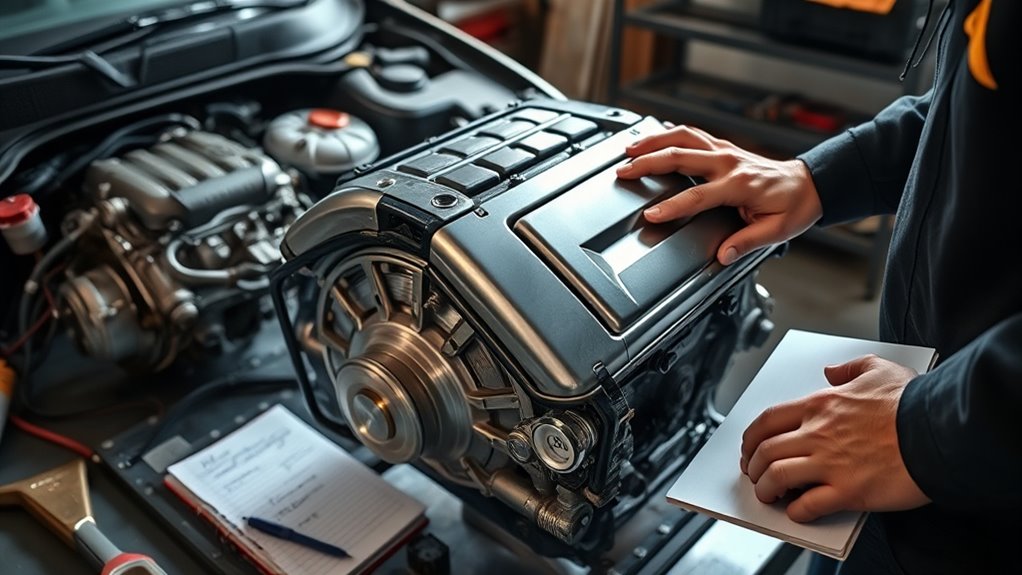
Although engine replacement can be costly, you should weigh the benefits against the expenses before deciding. One major factor to contemplate is engine durability. If the new engine promises long-lasting performance, it could save you money on future repairs and give your car a longer lifespan.
Don’t overlook the brand reputation when choosing your replacement engine. A well-known brand with positive reviews often means better quality parts and reliable service, which can prevent headaches down the road. You want to guarantee the engine you pick matches your vehicle’s needs and won’t lead to frequent issues.
Also, think about how the replacement affects your car’s value. Sometimes a new engine can increase resale value, making the investment worthwhile. By focusing on engine durability and brand reputation, you’ll make a smarter choice that balances cost with long-term benefits. This approach helps you avoid wasting money on a quick fix that might not last.
How Your Car’s Condition and Mileage Affect Replacement Cost
Understanding how your car’s condition and mileage influence engine replacement cost can help you make a more informed decision. If your vehicle has high mileage, the engine likely experienced significant wear, reducing engine longevity even after replacement. This can increase costs because you might need additional repairs soon.
High mileage means more wear, potentially raising engine replacement costs due to future repairs.
Conversely, a car in good condition with moderate mileage often means the new engine will last longer, making the investment more worthwhile.
Fuel efficiency also plays a role. A well-maintained car with good fuel efficiency suggests fewer underlying issues, reducing the risk of hidden damages that drive up replacement costs.
On the other hand, poor fuel efficiency might hint at existing problems affecting the engine, signaling higher expenses.
Why Parts Availability Matters for Engine Replacement Costs
When you need to replace your car’s engine, the availability of parts can directly impact the overall cost and timeline. If the engine you require isn’t common, you might face challenges with parts sourcing.
Rare or older engines often have limited compatible parts, which can drive prices up and extend waiting times. You’ll want to ensure engine compatibility, meaning the replacement engine and its components fit your specific car model without requiring costly modifications.
If parts are scarce, you may need to search through multiple suppliers or opt for used or refurbished parts, which can affect reliability and cost. On the other hand, engines with readily available parts usually keep costs lower and repairs quicker.
What Affects Labor Costs for Engine Installation
Because labor makes up a significant portion of engine replacement costs, you’ll want to know what factors influence the price you’ll pay for installation. One major element is the engine warranty. Engines with longer or more detailed warranties often require specialized installation to maintain coverage, which can increase labor costs.
Furthermore, the replacement timing affects labor expenses. If you replace the engine promptly after failure, the process may be straightforward, reducing labor time. However, delaying replacement can cause additional damage or complications, making installation more complex and costly.
The type of vehicle and engine design also play a role. Some engines are easier to access and install, while others require more labor-intensive work. Finally, the shop’s location and labor rates will impact your overall cost.
Understanding these factors helps you budget accurately and avoid surprises when pricing out your engine replacement.
How Upgrades Can Impact Your Engine Replacement Budget
If you decide to upgrade your engine during replacement, expect your budget to increase accordingly. An engine upgrade often means investing in higher-quality parts and additional labor, especially when aiming for a performance improvement.
These improvements can notably boost your car’s power and efficiency but come at a cost. Here’s how upgrades can affect your engine replacement budget:
- Premium components for durability and power
- Advanced tuning and calibration services
- Enhanced cooling and exhaust systems
- Custom modifications to fit upgraded parts
- Extended labor hours for complex installation
Each of these factors adds to the overall expense but ensures your new engine not only runs well but performs better than the original. Keep in mind that while an engine upgrade raises upfront costs, the performance improvement can make your investment worthwhile by improving your driving experience and vehicle longevity.
Plan your budget carefully to accommodate these potential upgrades.
Why Your Plans for the Car Affect Engine Replacement Value
Although replacing your car’s engine might seem like a straightforward repair, your future plans for the vehicle play a crucial role in determining how much value the replacement adds. If you’re planning to keep the car long-term, investing in an engine upgrade can improve performance and reliability, ultimately increasing the vehicle’s worth.
On the other hand, if you intend to sell the car soon, the value added by a new engine might not fully reflect your investment, especially if buyers prefer original parts or lower-priced options.
Additionally, your insurance coverage can influence your decision. Some policies may cover engine replacement costs differently depending on whether it’s a standard repair or an upgrade, affecting your out-of-pocket expenses.
Understanding how your insurance treats these scenarios helps you weigh costs against benefits. By aligning your engine replacement choices with your car’s future, you ensure the investment makes financial and practical sense.
Making a Smart, Cost-Effective Engine Replacement Decision
Your plans for the car set the stage. But making a smart, cost-effective engine replacement decision also means weighing factors like the engine’s condition, labor costs, and available warranties.
To get the best value, you’ll want to focus on:
- Engine compatibility: Confirm the new engine fits your car model to avoid costly modifications.
- Fuel efficiency: Choose an engine that maintains or improves your vehicle’s mileage to save money long-term.
- Labor costs: Get estimates from trusted mechanics and consider whether you’ll do some work yourself.
- Warranty coverage: Opt for engines with solid warranties to protect against unexpected repairs.
- Engine condition: Whether new, rebuilt, or used, verify the engine’s reliability and history.
Frequently Asked Questions
How Long Does It Typically Take to Replace a Car Engine?
Typically, engine installation time takes around 8 to 15 hours, depending on your car’s make and model. If you’re replacing a worn engine, you’ll want to take into account the car engine lifespan to decide if it’s worth the effort.
Skilled mechanics can sometimes finish faster, but you should expect a full day or two at the shop. Planning for extra time ensures they address any unexpected issues during the replacement.
Can I Drive My Car While Waiting for an Engine Replacement?
You shouldn’t drive your car while waiting for engine installation, as it compromises driving safety. Without a properly functioning engine, your vehicle can stall, lose power, or cause further damage.
It’s best to arrange alternative transportation until the replacement is complete. Once the new engine is installed, you can safely hit the road again without worrying about breakdowns or unsafe driving conditions.
Prioritize safety over convenience here.
What Are the Environmental Impacts of Replacing an Engine?
Replacing an engine poses particular environmental impacts. You’ll face emissions from manufacturing and disposing of old parts, but smart engine recycling substantially softens this strain.
By choosing recycled components, you reduce waste and resource use, helping the planet. Plus, newer engines often run cleaner, cutting harmful emissions.
Are There Warranties on Rebuilt or Remanufactured Engines?
Yes, rebuilt or remanufactured engines usually come with warranty coverage to give you peace of mind. These warranties often cover parts and labor for a set period, helping protect your investment.
Keep in mind that warranty length and terms can vary by supplier, so you should always read the fine print. This coverage supports engine longevity by ensuring repairs or replacements if something goes wrong early on.
How Do I Choose Between a New, Used, or Remanufactured Engine?
Choosing an engine is like picking the heart for your car. You’ll want to check engine compatibility first. Make sure it fits your model and year.
Then, do a cost comparison. New engines offer reliability but cost more. Remanufactured ones balance price and quality, while used engines save money but risk unknown wear.
Trust your budget and long-term needs to guide your choice, ensuring your car’s heart beats strong.
Conclusion
Replacing your car’s engine isn’t just about swapping parts; it’s a journey that revs up your decision-making skills. Like tuning a finely crafted instrument, you’ll weigh your car’s condition, parts availability, labor costs, and future plans to strike the perfect chord.
When you balance these factors wisely, you’ll steer toward a smart, cost-effective choice that keeps your ride humming smoothly down the road. So, buckle up and make that engine replacement count for a better driving experience.