How to Find My Car Engine in 5 Easy Steps
If you’ve ever felt completely lost trying to locate your car engine, you’re not alone. Many people struggle with this simple but essential task, especially if they’re new to car maintenance or just want to understand their vehicle better.
Knowing exactly where your engine is can save you time and stress when performing basic checks or troubleshooting.
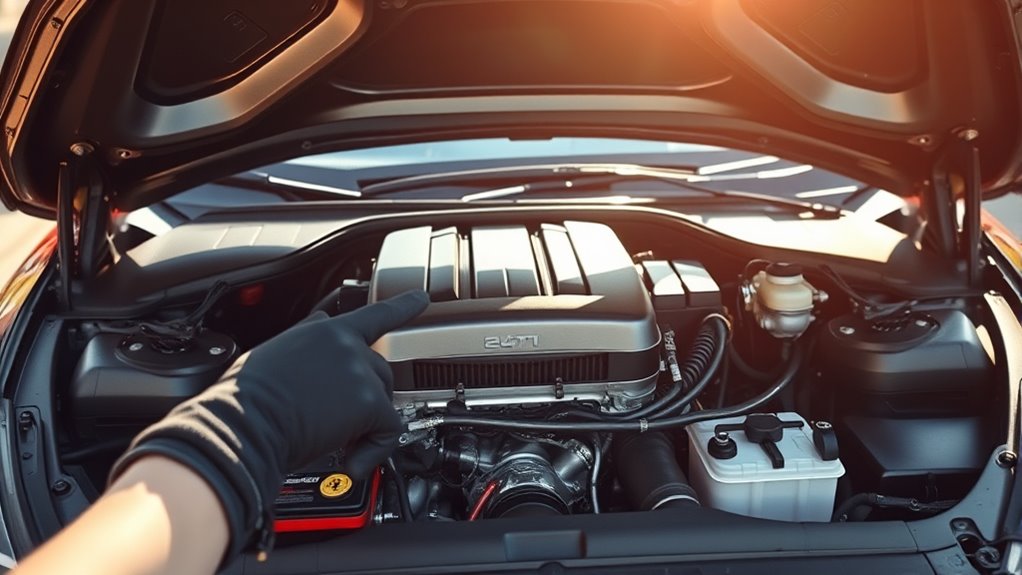
You’ll find your car engine under the hood at the front of your vehicle. Park on a flat surface, turn off the engine, and locate the hood release lever inside near the driver’s footwell. Pull it to pop the hood slightly, then release the safety latch under the hood’s front edge.
Lift and secure the hood with the support rod to access the engine bay. Keep exploring to learn how to identify engine parts and perform basic checks.
Key Takeaways
- Park your car on a flat surface and turn off the engine to ensure safety before accessing the engine.
- Locate the hood release lever inside the vehicle near the driver’s side footwell and pull it to pop the hood.
- Find the secondary safety latch under the front edge of the hood and slide or lift it to fully open the hood.
- Lift the hood carefully with both hands and secure it with the support rod if your car has one.
- Look inside the engine bay under the hood to identify the engine block, battery, and other main engine components.
Where to Find Your Car Engine
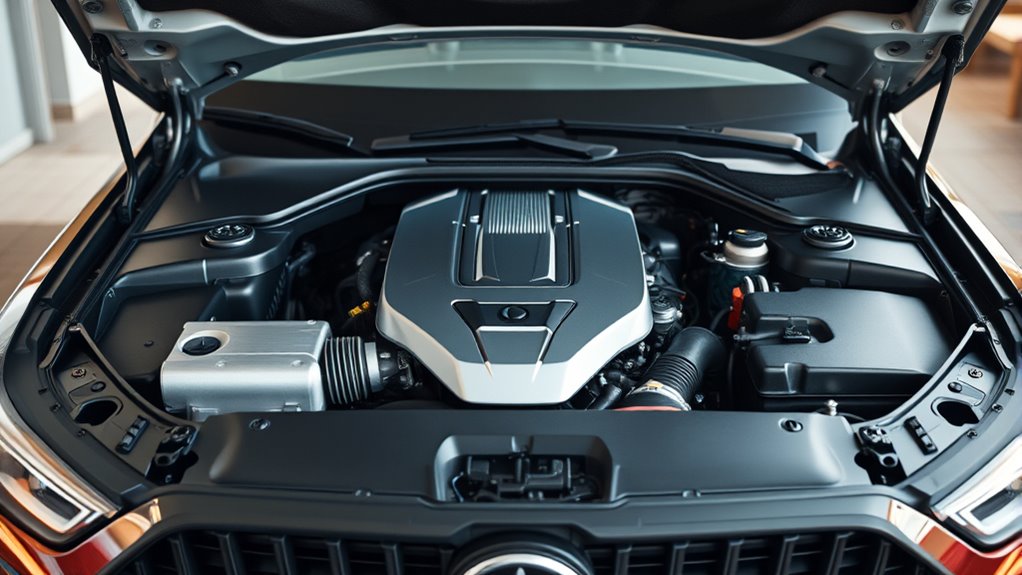
Although it might seem obvious, the car engine is usually located under the hood at the front of the vehicle. When you want to perform engine maintenance or engine cleaning, this is the spot you’ll need to access. Knowing exactly where your engine sits helps you quickly identify components like the battery, oil dipstick, and coolant reservoir.
In some vehicles, especially certain trucks or sports cars, the engine might be positioned differently, such as in the rear or under the seats, but these are exceptions. For most cars, lifting the hood reveals the engine bay where everything is tightly packed but accessible.
Regular engine maintenance, such as checking fluid levels or inspecting belts, becomes much easier once you know where to find the engine. Correspondingly, engine cleaning requires you to locate the engine first to avoid damaging sensitive parts. So, start by focusing on the front hood area. That’s where you’ll find your engine for daily care.
How to Open Your Car’s Hood Safely
Before you start working under the hood, you need to know how to open it safely to avoid injury or damage. First, make sure your car is parked on a flat surface and the engine is off and cool. This prevents burns from hot components like the coolant level reservoir.
Always ensure your car is parked on a flat surface with the engine off and cool before opening the hood.
Locate the hood release lever inside your car, usually near the driver’s side footwell. Pull it firmly until you hear the hood pop open slightly.
Next, go to the front of the car and find the secondary safety latch under the hood’s front edge. Slide or lift it to fully release the hood. Always use both hands when lifting the hood to keep control and avoid sudden drops.
Once open, secure the hood with the support rod if your car has one. Be careful around battery terminals, as they can carry an electric charge. Now you’re ready to safely access your engine without risk.
Troubleshooting Common Hood Problems
Now that you know how to open your car’s hood safely, you might encounter some common issues that make this task tricky. Sometimes, the hood latch can get stuck due to dirt or rust. Spray some lubricant and wiggle the release handle gently.
If the hood won’t stay open, check if the support struts are worn out. Replacing them will keep it stable while you inspect engine oil or battery health.
When inspecting under the hood, keep an eye out for leaks around the engine oil cap or dipstick, as low oil levels can affect engine performance. Also, check battery health by looking for corrosion on terminals or loose connections, which can cause starting problems.
If you notice any issues, clean the terminals or secure the connections. Troubleshooting these common hood problems helps you access your engine safely and guarantees your car runs smoothly.
Identifying Main Parts of Your Car Engine
Once you’ve opened the hood and verified everything is safe, it’s important to recognize the key components of your car engine so you can perform basic checks and maintenance confidently. Start by locating the engine block, the largest part, which forms the core of your engine.
Nearby, you’ll find the cylinder head, which houses vital parts like valves and spark plugs. The air intake system usually sits on top, directing air into the engine for combustion.
Next, identify the fuel system components, including the fuel injectors and fuel rail. They’re responsible for delivering fuel to the engine efficiently. The battery and alternator are also visible, providing electrical power.
Recognizing these engine components helps you understand how your engine works and where to focus during routine inspections. By familiarizing yourself with these parts, you’ll feel more confident in maintaining your car and spotting potential issues early on.
Basic Tips for Checking Your Car Engine
Understanding the main parts of your engine makes it easier to perform basic checks and keep your car running smoothly. Start by checking the engine oil level. Pull out the dipstick, wipe it clean, reinsert it fully, then pull it out again to see the oil level.
Knowing your engine’s key parts helps you easily check oil levels and maintain smooth performance.
Low or dirty oil can cause engine damage, so topping it up or changing it on time is essential. Next, inspect the battery health. Look for corrosion on terminals and verify cables are tight.
If your battery is old or your car struggles to start, consider getting it tested or replaced. Also, look for leaks, unusual noises, or smells when the engine runs.
Regularly checking these basics helps you spot problems early, saving you time and costly repairs. By staying on top of engine oil and battery health, you’ll keep your engine in good shape and avoid unexpected breakdowns.
Frequently Asked Questions
How Often Should I Service My Car Engine?
You should service your car engine every 5,000 to 7,500 miles, depending on your vehicle and driving conditions. Regularly changing the engine oil keeps your engine running smoothly and prevents damage.
Don’t forget to check the cooling system during service to avoid overheating issues. Keeping up with these maintenance tasks helps extend your engine’s life and guarantees reliable performance.
Always follow your car’s manual for specific recommendations.
Can I Replace My Car Engine Myself?
Yes, you can attempt engine replacement yourself if you have the right tools, skills, and space. However, engine replacement is complex and requires mechanical knowledge, precision, and patience.
DIY repairs like this often involve disconnecting many components and careful alignment. If you’re unsure, it’s safer to consult a professional to avoid damaging your car or risking safety.
Make sure you’re well-prepared before diving into such an intensive project.
What Are Signs of a Failing Car Engine?
You know what they say: “A stitch in time saves nine.” If you hear unusual engine noise or notice oil leaks under your car, don’t ignore them. These are clear signs your engine might be failing.
Other warning signs include rough idling, decreased power, or excessive smoke from the exhaust. Catching these early helps you avoid costly repairs, so trust your instincts and get your engine checked as soon as you spot problems.
How Does Engine Size Affect Car Performance?
Engine size, or engine capacity, directly impacts your car’s performance by influencing power output. A larger engine capacity usually means more power, helping your car accelerate faster and handle heavier loads.
However, bigger engines often consume more fuel. So, if you want strong performance and quick response, a bigger engine helps. But if you prioritize fuel efficiency, a smaller engine with good tuning might suit you better.
Are Electric Car Engines Different From Gasoline Engines?
Imagine switching from a typewriter to a laptop. That’s how different electric motors are from gasoline engines. You’ll find electric motors use battery technology to deliver instant torque, unlike gasoline engines that rely on combustion.
This means electric cars accelerate smoothly and quietly. Plus, battery tech keeps improving, which extends your car’s range. So yes, electric engines work fundamentally differently, offering a cleaner, more efficient driving experience.
Conclusion
Now that you know how to find and open your car’s hood safely, imagine this: you’re on a road trip, hear a strange noise, and quickly spot a loose belt in your engine. By identifying key parts and knowing basic checks, you can prevent bigger issues and keep moving.
With these simple steps, you’ll feel confident handling your engine and staying prepared for any unexpected car troubles. Finding your car engine and understanding its basics can make all the difference when you’re on the road.