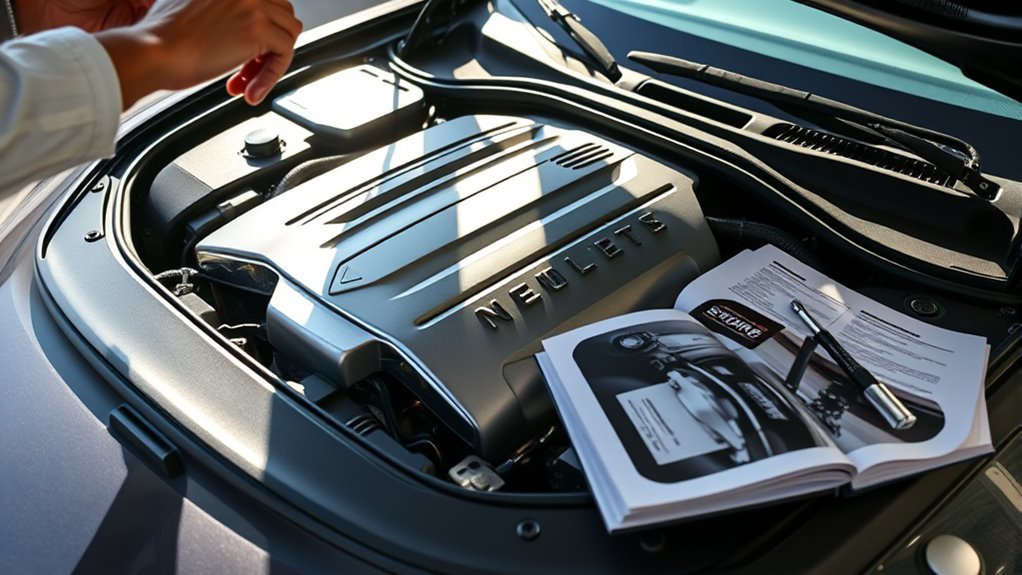
How to Check Engine Size of a Car in 3 Easy Steps
Trying to figure out your car’s engine size can feel confusing, and you’re not alone. Many people struggle with this because the information isn’t always easy to find or understand. But knowing your engine size is important for maintenance, repairs, and even when buying or selling a vehicle.
You can check your car’s engine size in three easy steps. First, grab your owner’s manual and look in the specifications section for exact engine details.
Next, find the VIN plate on your driver’s side dashboard or door frame, then use a trusted VIN decoder to uncover the engine code.
Finally, search online by your car’s make and model to quickly confirm engine size.
Keep exploring to get the full scoop on why this matters and how it helps.
Key Takeaways
- Locate the engine size in the vehicle’s owner’s manual under the specifications section.
- Find the VIN plate on the driver’s side dashboard or door frame and note the 17-character VIN.
- Use an online VIN decoder to extract precise engine size and specifications from the VIN.
- Search online using the car’s make and model to quickly find detailed engine size information.
- Confirm engine size to ensure correct maintenance, parts selection, and optimal vehicle performance.
Use Your Owner’s Manual to Find Engine Size
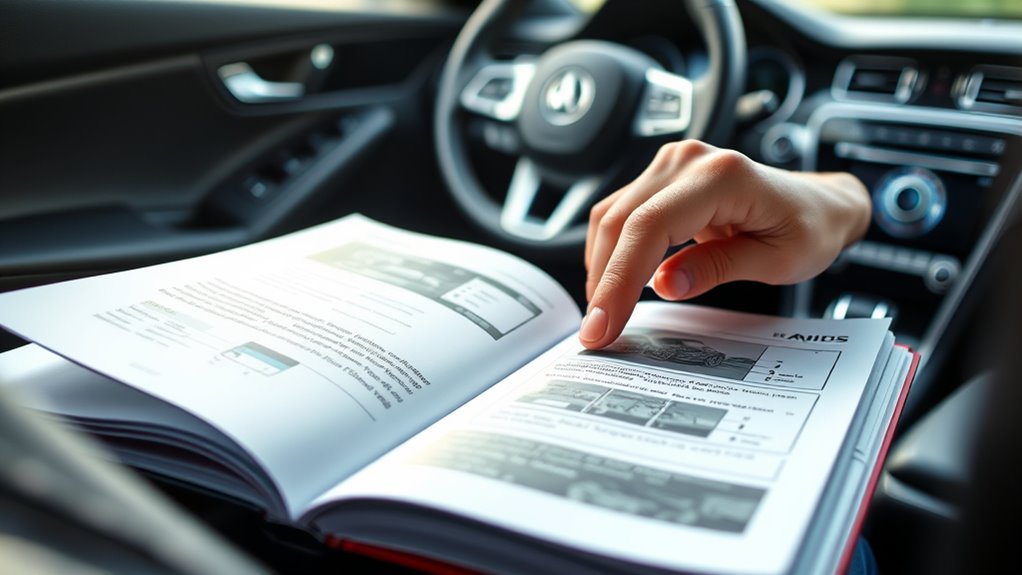
Although it might seem obvious, your owner’s manual is the quickest way to find your car’s engine size. You can flip right to the specifications section, where manufacturers list detailed info, including engine displacement.
Knowing your engine size helps you understand your vehicle better and is essential for proper engine maintenance. When you know the exact engine size, you can choose the right oil, filters, and other parts, ensuring your car runs smoothly.
Understanding your engine size is key to selecting the right parts for smooth, effective vehicle maintenance.
This directly impacts vehicle performance, helping you avoid costly repairs and keep your engine in top shape. Plus, the manual often offers tips tailored to your engine type, making maintenance easier and more effective.
Instead of guessing or searching online, your owner’s manual provides accurate, reliable data specific to your model. So, keeping it handy not only helps you check engine size quickly but also supports better care and performance of your car over time.
Find Engine Size on Your VIN Plate
When you want a quick and reliable way to find your car’s engine size, checking the VIN plate is a smart move. The VIN plate, usually located on the driver’s side dashboard or door frame, contains crucial engine specifications encoded within the Vehicle Identification Number. By decoding the VIN, you can precisely identify your engine’s size without guesswork.
Here’s how to find it:
- Locate the VIN plate on your vehicle, often visible through the windshield or inside the driver’s door.
- Write down the 17-character VIN and use a trusted VIN decoding tool or chart that includes engine specifications.
- Identify the engine code within the VIN, which corresponds to your car’s exact engine size and type.
This method ensures you get accurate engine specifications directly from your vehicle’s unique identifier. It makes VIN decoding an efficient step before exploring other options.
Look Up Engine Size Online by Make and Model
If you don’t have immediate access to your car or its VIN, you can easily look up the engine size online by entering your vehicle’s make and model. Many websites provide detailed engine specifications based on this info.
Just input your vehicle identification details, and you’ll instantly see the engine size along with other key specs. This method saves time and avoids digging through paperwork or car parts.
Here’s a quick example of what you might find:
| Make | Model | Engine Size (L) |
|---|---|---|
| Toyota | Camry | 2.5 |
| Ford | F-150 | 3.3 |
| Honda | Civic | 2.0 |
Using online resources not only helps you identify your engine size but also ensures you get accurate and up-to-date engine specifications for your specific vehicle.
Frequently Asked Questions
Can Engine Size Affect My Car’s Fuel Efficiency?
Yes, engine size can affect your car’s fuel economy. Generally, a larger engine consumes more fuel, so you might see lower fuel efficiency. However, bigger engines often offer better engine performance, providing more power and smoother acceleration.
If you want to balance fuel economy and performance, consider your driving habits and needs. Smaller engines are great for city driving, while larger ones excel on highways or when towing heavy loads.
How Does Engine Size Impact Vehicle Insurance Rates?
Engine size directly impacts your vehicle insurance rates because bigger engines usually mean higher speeds and increased risk. If you’ve made any engine modifications, insurers will consider this when calculating premiums due to insurance implications tied to performance changes.
You’ll likely pay more if your engine’s larger or altered since insurers see you as a higher risk. Always report engine modifications to avoid coverage issues and unexpected rate hikes.
Is a Larger Engine Size Better for Towing Capacity?
Yes, a larger engine size generally boosts your towing capacity because it improves engine performance, giving you more power and torque to haul heavier loads. When you need to tow trailers or heavy equipment, that extra muscle helps your vehicle handle the strain without overheating or losing control.
However, keep in mind that other factors like transmission, suspension, and braking also play key roles in safe and effective towing.
Can I Change My Car’s Engine Size Legally?
Yes, you can change your car’s engine size legally, but you’ll need to verify engine compatibility with your vehicle’s make and model. Aftermarket modifications must meet local regulations and safety standards.
You should also update your registration and inform authorities about the engine swap. It’s a good idea to consult with a professional mechanic and check your state’s laws before making changes to avoid legal issues and ensure your car runs smoothly.
Does Engine Size Determine My Car’s Resale Value?
Engine size often plays a subtle role in shaping your car’s resale value, but it’s not the whole story. When you consider engine modifications, you’re adding personal flair that might not appeal to every buyer, affecting resale considerations.
Bigger engines can suggest power and performance, yet efficiency and maintenance costs also weigh in. So, while engine size influences value, it’s your car’s overall condition and market demand that truly steer resale outcomes.
Conclusion
Just like a map guides a traveler through unknown lands, knowing your car’s engine size steers you toward smarter decisions and smoother rides. By consulting your owner’s manual, checking your VIN plate, or searching online, you reveal the engine’s story hidden beneath the hood.
Welcome these simple steps as your compass, and you’ll navigate the road ahead with confidence. Understanding the heart that powers your vehicle every mile of the way starts with knowing your car’s engine size.