10 Tips to Cool Down Your Car Engine Fast
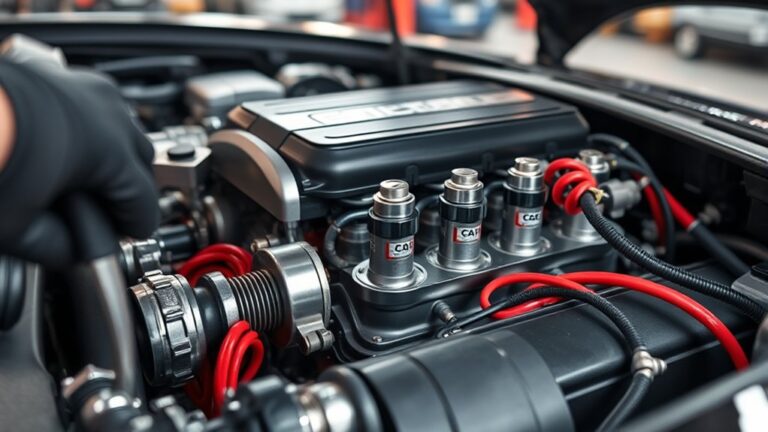
Dealing with an overheating car engine can be stressful, especially when you’re in a hurry or stuck in traffic. You’re not alone—many people struggle with keeping their car engines cool during those hot days or long drives.
Luckily, there are simple and effective ways to cool down your car engine fast and avoid costly damage.
To cool down your car engine fast, first check and top off the coolant when the engine is cool. Turn off the air conditioner, open windows, and use the heater to help dissipate heat.
Pull over safely and let the engine idle while avoiding fast or uphill driving. Inspect for coolant leaks and fix them promptly.
Keep engine oil at the right level and schedule regular cooling system maintenance to prevent future overheating.
Keep these tips in mind to better protect your engine.
Key Takeaways
- Turn off the air conditioner and open the windows to reduce engine load. This also improves airflow for faster cooling.
- Pull over safely, keep the engine running, and use the heater to transfer engine heat into the cabin.
- Avoid driving fast or uphill until the engine temperature drops. This helps prevent worsening overheating.
- Check and remove debris blocking radiator fins. This ensures proper airflow and better heat dissipation.
- Inspect coolant levels and add a proper water-coolant mix if low. Keeping coolant balanced maintains engine cooling efficiency.
Check and Add Coolant to Cool Engine
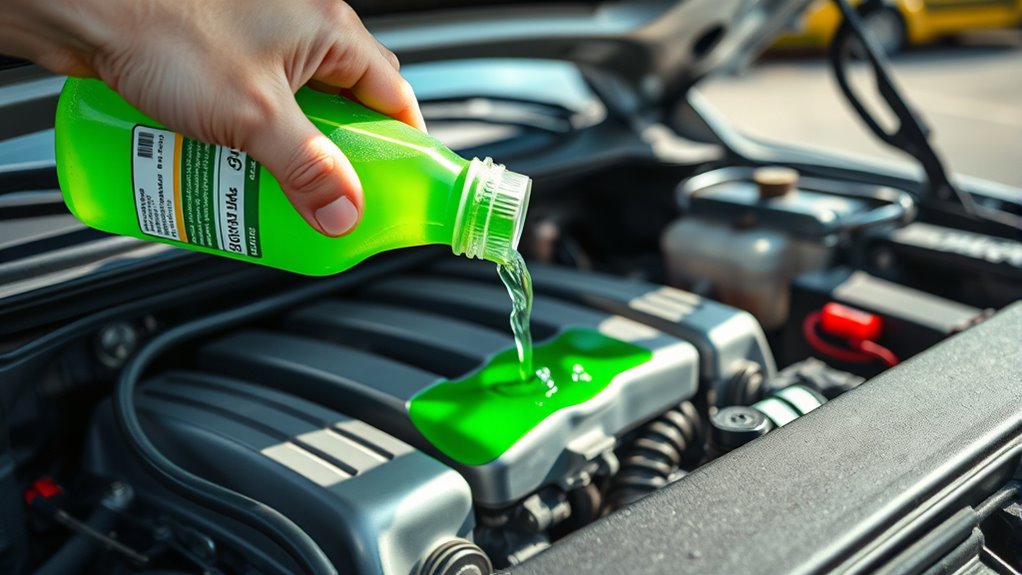
One of the quickest ways to cool down your engine is to check the coolant level and add more if needed. You should start by making sure the engine is cool before opening the radiator cap.
Low coolant levels can cause your engine to overheat quickly. During your radiator inspection, look for any leaks, cracks, or corrosion that might be reducing your cooling system’s efficiency.
If the coolant level is below the recommended mark, add a mixture of water and coolant specifically designed for your vehicle. Be careful not to overfill it.
Regularly inspecting your radiator and coolant levels helps prevent overheating issues before they become serious. If you notice any damage during the radiator inspection, get it repaired promptly to keep your engine running smoothly.
Keeping an eye on coolant levels and maintaining your radiator guarantees your engine stays cool even in tough conditions.
Turn Off Air Conditioner and Open Windows to Cool Engine
Although it might seem counterintuitive, turning off your air conditioner and rolling down the windows can help cool your engine faster. When your engine is overheating, the air conditioner puts extra strain on it because it draws power, which raises the engine’s temperature even more. By switching off the AC, you reduce this load, allowing the engine to cool down more effectively.
Opening your windows improves airflow inside the car, preventing heat buildup and making the cabin more comfortable without relying on the AC. This simple cooling technique not only helps lower the engine temperature but also keeps you from adding unnecessary stress to your vehicle’s cooling system. Incorporating this step when facing engine overheating can make a noticeable difference, especially in hot weather or heavy traffic. It’s a quick, easy action that supports other cooling techniques to protect your car and avoid costly repairs.
Pull Over Safely and Let the Engine Idle
When your engine starts to overheat, try to pull over to a safe spot as soon as you can. Once you’re stopped, keep the engine running. This lets it cool down gradually without shutting it off completely. Doing this helps prevent further damage while you wait for the temperature to drop.
Find a Safe Spot
Where should you pull over if your engine starts overheating? First, look for a safe spot off the road, like a wide shoulder, parking lot, or rest area. Prioritize parking safety by avoiding blind curves, hills, or busy highways.
Turn on your hazard lights to alert other drivers as you slow down. Once stopped, engage the parking brake and shift into park. If you can’t find a safe location nearby, call roadside assistance for help rather than risking danger.
Staying calm and focused helps you find a secure spot quickly, reducing the risk to yourself and others. Pulling over safely is vital to preventing further damage and ensuring your safety while you address your engine’s overheating problem.
Keep Engine Running
How can keeping your engine running help cool it down faster? When your engine is overheating, pulling over safely and letting it idle can actually aid in cooling.
Keeping the engine running allows the water pump to continue circulating coolant through the engine, preventing hot spots. It also powers the electric cooling fans, which increase airflow through the radiator, speeding up heat dissipation.
This method complements other cooling techniques by maintaining circulation without adding extra strain. However, avoid revving the engine, as that raises temperatures. Instead, let it idle calmly with the hood open if possible to allow heat to escape.
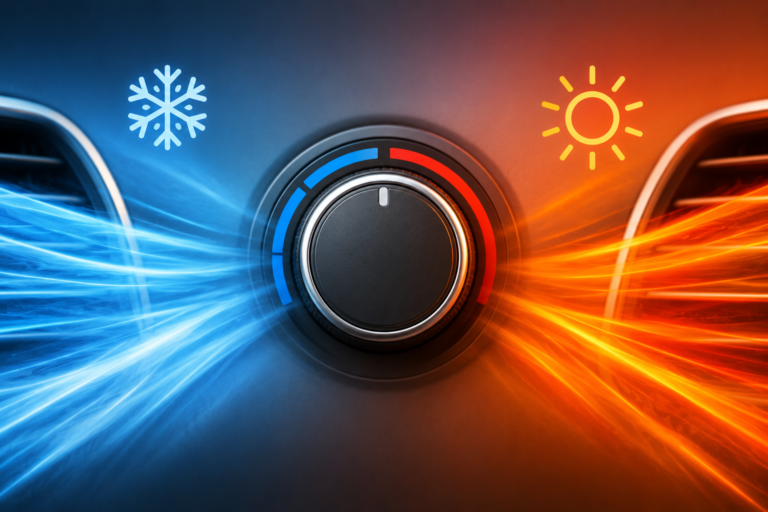
Use the Heater to Help Cool the Engine
Although it might seem counterintuitive, turning on your car’s heater can actually help cool down the engine faster. When you switch on the heater, it draws heat from the engine’s coolant and transfers it into the cabin, lowering the engine’s temperature more efficiently. This process boosts heater efficiency, especially if the engine is overheating.
Turning on your car’s heater can help cool the engine by drawing heat from the coolant to the cabin.
Here’s why you should consider using the heater to cool the engine:
- It redirects excess heat away from the engine block.
- It helps maintain a more stable cabin temperature as the heat is absorbed inside.
- It speeds up coolant circulation through the heater core.
- It reduces the risk of severe engine damage caused by overheating.
Keep the fan on high to maximize heater efficiency, but be aware that the cabin temperature will rise. Using this method briefly can be an effective way to protect your engine without causing discomfort inside the car.
Avoid Fast or Uphill Driving Until Engine Cools
Using the heater can help lower your engine’s temperature, but you still need to take care with how you drive until it cools completely. Avoid fast driving or tackling uphill roads right after noticing overheating.
These driving habits cause your engine to work harder, raising the engine temperature further and risking damage. Instead, maintain a steady, moderate speed on flat terrain to prevent additional stress on the engine.
This controlled approach helps the cooling system catch up and reduces the chance of overheating. Remember, pushing your engine before it’s fully cooled can lead to serious issues like warped components or blown gaskets.
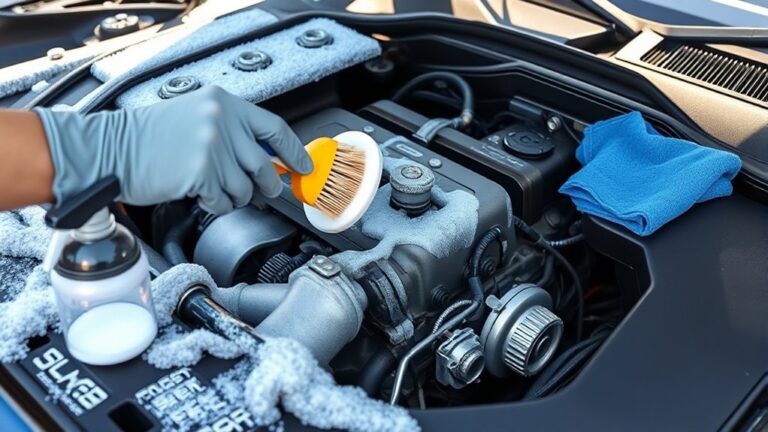
Check Radiator and Fans for Blockages or Damage
Before you try other methods to cool your engine, make sure to inspect the radiator and fans for any blockages or damage. A thorough radiator inspection helps guarantee proper airflow and heat dissipation, while fan maintenance ensures effective cooling. Here’s what you should check:
- Remove debris like leaves, dirt, or bugs blocking the radiator fins
- Look for bent or damaged radiator fins that restrict airflow
- Inspect the cooling fans for cracks or broken blades
- Test fan operation by running the engine and observing if the fans engage
Blocked or damaged radiators and fans reduce cooling efficiency, causing your engine to overheat faster. By addressing these issues early, you maintain ideal airflow and cooling performance.
Don’t forget, consistent radiator inspection and fan maintenance are key steps to prevent heat buildup and protect your engine from damage. Taking a few minutes to check these components can save you from costly repairs and keep your car running smoothly.
Check for Coolant Leaks and Fix Them Immediately
If your engine starts overheating, you should immediately check for coolant leaks since even a small leak can cause a significant drop in coolant levels and lead to engine damage. Look under your car for any puddles or wet spots, especially near the radiator, hoses, and water pump.
Also, examine the coolant reservoir for cracks or damage. If you spot any signs of coolant leaks, don’t delay. Repair promptly to prevent further overheating and costly repairs. Tighten loose hose clamps, replace damaged hoses, or consult a mechanic if the leak’s source isn’t obvious.
Maintaining your coolant system sealed and full guarantees your engine stays properly cooled. Remember, ignoring coolant leaks only makes the problem worse, so act quickly to maintain your car’s health and avoid breakdowns caused by overheating.
Flush Radiator and Replace Old Coolant Regularly
Regularly flushing your radiator and replacing old coolant is one of the most effective ways to keep your engine running cool. Over time, coolant loses its effectiveness and becomes contaminated, reducing its ability to absorb heat. By performing a radiator flush and coolant replacement, you remove rust, debris, and sludge that can clog the system and cause overheating.
Flushing your radiator and replacing old coolant removes buildup, ensuring your engine stays cool and prevents overheating.
Here’s why you should make this a routine:
- Prevent corrosion inside the radiator and engine
- Maintain proper coolant flow for efficient heat transfer
- Avoid costly repairs due to overheating or coolant system failure
- Extend the lifespan of your radiator and cooling system components
Stick to the manufacturer’s recommended interval for coolant replacement, usually every 30,000 to 50,000 miles. When you flush the radiator, make sure to use the right type of coolant for your vehicle. This simple maintenance step keeps your engine cool and running smoothly, especially during hot weather or heavy use.
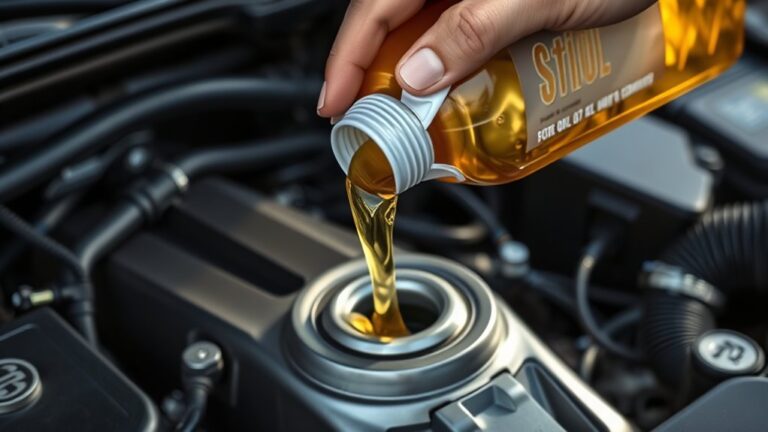
Keep Engine Oil at Proper Level
You should check your engine oil regularly to keep it at the proper level. It’s a simple step that can make a big difference. Using the recommended oil type really helps your engine run cooler and more efficiently. Plus, don’t forget to keep an eye on your oil pressure—that way, you can catch any issues early before they become bigger problems.
Check Oil Regularly
How often do you check your car’s engine oil? Regular checks help maintain the right oil temperature and oil viscosity, which are vital for cooling your engine efficiently. Neglecting this can cause your engine to overheat quickly.
To keep things in check: inspect oil levels with the dipstick when the engine is cool. Look for changes in oil color or texture that might indicate contamination. Also, monitor oil temperature to make sure it stays within the ideal range.
Schedule oil changes based on your car’s manual or driving conditions. Keeping your oil at the proper level ensures it lubricates moving parts and dissipates heat effectively.
This prevents engine components from overheating, reducing wear and potential damage. Don’t wait for warning signs. Stay proactive to keep your engine cool and running smoothly.
Use Recommended Oil Type
Choosing the right oil type is essential for keeping your engine running cool and efficient. Using the manufacturer-recommended oil viscosity guarantees ideal lubrication, reducing friction and heat buildup inside the engine.
If you choose oil that’s too thick or too thin, your engine might overheat or suffer from poor performance. When deciding between synthetic and conventional oil, synthetic offers better temperature stability and flows smoothly in extreme conditions, helping your engine cool down faster.
Conventional oil may be cheaper but breaks down quicker under heat, which can lead to higher engine temperatures. Always check your owner’s manual to pick the correct oil grade and type.
Maintaining the proper oil level with the right oil ensures your engine runs cooler, smoother, and lasts longer under demanding conditions.
Monitor Oil Pressure
Since engine oil plays a critical role in cooling and lubricating your engine, monitoring oil pressure is essential to keep it at the proper level. Low oil pressure can cause overheating and serious engine damage.
Make sure you regularly check the oil level using the dipstick and keep an eye on the oil pressure gauge while driving. Also, change your oil and filter according to the manufacturer’s schedule.
Use the right oil viscosity to support proper temperature management.
Schedule Regular Cooling System Maintenance
Regularly scheduling cooling system maintenance guarantees your engine stays at the right temperature and prevents costly breakdowns. Neglecting this can lead to engine overheating, which damages crucial components and leaves you stranded. By having your cooling system checked routinely, you’ll catch issues like coolant leaks early before they cause serious problems.
Routine cooling system checks prevent overheating and costly repairs by catching leaks early.
During maintenance, technicians inspect hoses, the radiator, thermostat, and water pump to verify everything’s functioning correctly. They also flush old coolant and replace it with fresh fluid to maintain ideal heat transfer. This prevents buildup that can block passages and reduce cooling efficiency.
Don’t wait for warning signs like rising temperature gauges or steam. Proactive maintenance keeps your engine running smoothly and avoids emergency repairs. Set reminders to have your cooling system serviced based on your car manufacturer’s recommendations or every 30,000 miles.
Staying ahead of coolant leaks and other issues not only cools your engine faster but also extends your vehicle’s longevity and reliability.
Frequently Asked Questions
Can Using Ice Packs on the Engine Help It Cool Faster?
Using ice packs directly on your engine won’t effectively lower the engine temperature. The engine generates intense heat, and ice packs can’t absorb enough of it quickly.
Instead, focus on proven cooling techniques like turning off the engine, opening the hood to let heat escape, or using a cooling fan. These methods help manage engine temperature safely without risking damage from sudden temperature changes that ice packs might cause.
Is It Safe to Open the Radiator Cap When the Engine Is Hot?
You shouldn’t open the radiator cap when the engine is hot because it risks serious burns and engine damage. The radiator cap holds coolant under pressure, so opening it too soon can release hot steam and liquid suddenly.
For engine safety, always wait until the engine cools down before removing the cap. This prevents injury and helps maintain your car’s cooling system integrity. Stay safe and patient!
How Does Engine Overheating Affect Fuel Efficiency?
When your engine overheats, it throws a wrench in the works for engine performance. Thermal expansion causes parts to swell, increasing friction and making your engine work harder. This inefficiency forces your car to burn more fuel, slashing fuel efficiency.
You’ll notice sluggish acceleration and higher fuel costs because the engine isn’t running as smoothly as it should. Keeping your engine cool helps avoid these costly problems and keeps your ride running like a dream.
Can Adding Water Instead of Coolant Damage the Engine?
Yes, adding water instead of a proper coolant mixture can cause engine damage. Water alone doesn’t provide the same protection against corrosion, boiling, or freezing that a coolant mixture offers.
You might think it’s a quick fix, but over time, it can lead to rust, overheating, and serious engine issues. Always use the recommended coolant mixture to keep your engine running smoothly and avoid costly repairs.
Does Parking in Shade Significantly Reduce Engine Temperature?
Doesn’t it make sense to park in the shade when you want to avoid a hot car? Shade reduction can considerably lower your engine temperature by blocking direct sunlight, which heats up the engine and surrounding components.
When your car’s engine isn’t baking under the sun, it stays cooler, reducing stress and preventing overheating. So, next time you park, seek out shade. It’s a simple way to keep your engine temperature down and protect your car.
Conclusion
You’ve got the keys to keeping your engine feeling fresh and ready for the road. By giving your coolant some love, easing off the gas, and keeping an eye on your car’s essential fluids, you’re gently whispering to your engine to take a breather.
Regular check-ins and small adjustments will keep things running smoothly, letting you enjoy every drive without the heat getting the best of you. Your engine will thank you with every mile.
Remember, these simple steps are your best bet for a quick cool down. When it comes to 10 tips to cool down your car engine fast, following them can make all the difference on the road.