3 Easy Tips to Keep Mice Out of Car Engines
Dealing with mice nesting in your car engine can be frustrating and costly. You’re not alone—many people struggle with this pesky problem, especially during colder months when rodents seek warm shelter. If you want to protect your vehicle and avoid unexpected repairs, finding effective ways to keep mice out of car engines is essential.
To keep mice out of your car engine, start by using deterrents like peppermint oil, cayenne pepper, or dryer sheets around the engine bay to repel them naturally.
Next, watch for signs of nesting such as shredded materials or chewed wires so you can act quickly.
Finally, maintain your engine by keeping it clean, tightening loose wires, and checking for leaks that attract rodents.
Follow these simple steps, and you’ll protect your car effectively while uncovering even more ways to prevent damage.
Key Takeaways
- Install engine block covers to physically prevent mice from entering the engine compartment.
- Use natural repellents like peppermint oil or cayenne pepper around the engine bay to deter rodents.
- Place dryer sheets in the engine area as a simple, effective mouse repellent.
- Keep the engine clean and free of debris to reduce nesting materials and attractants.
- Regularly inspect the engine compartment for signs of mice and reapply deterrents as needed.
Use Deterrents to Keep Mice Away From Your Car Engine

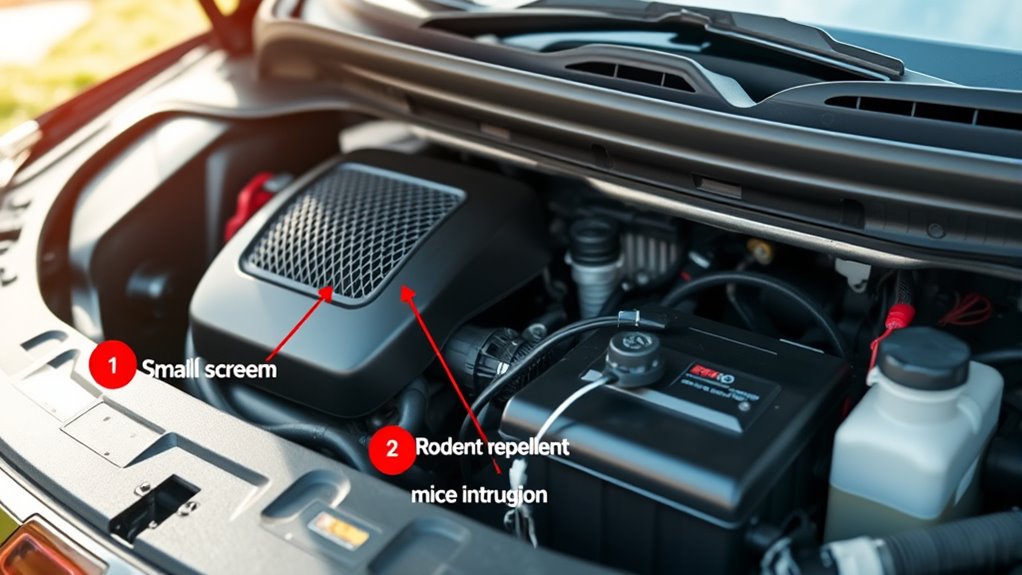
Although mice are small, they can cause big problems in your car engine. To keep them away, you should use effective deterrents. One practical step is installing engine block covers, which physically block mice from accessing the engine compartment. These covers act as a barrier, making it much harder for mice to nest or chew wires.
In addition to physical barriers, natural repellents can be a game-changer. You can use peppermint oil, cayenne pepper, or even dryer sheets around your engine bay. These scents are unpleasant to mice and encourage them to stay clear without introducing harmful chemicals. Applying natural repellents regularly helps maintain a mouse-free zone.
Spot Signs of Mice Nesting in Your Car Engine
How can you tell if mice have made a home in your car engine? Look for small nests made from shredded insulation, fabric, or paper tucked in corners or near wires. You might also spot droppings around the engine bay or hear scratching noises, especially at night.
Watch for shredded nests, droppings, or nighttime scratching sounds near your engine to spot mice early.
Another clear sign is chewed wires or plastic components, which can lead to serious engine damage if left unchecked. Mice nesting in your engine can cause electrical shorts or block air and fluid flow, affecting your car’s performance.
You may notice a burning smell or your car failing to start, both warning signs of hidden damage. Regularly inspecting under your hood for these signs helps you catch mice problems early.
Don’t ignore any unusual smells, noises, or visible damage, as mice nesting can quickly escalate into costly engine damage. Stay vigilant to protect your vehicle and avoid unexpected repairs.
Maintain Your Car Engine to Prevent Mice Damage
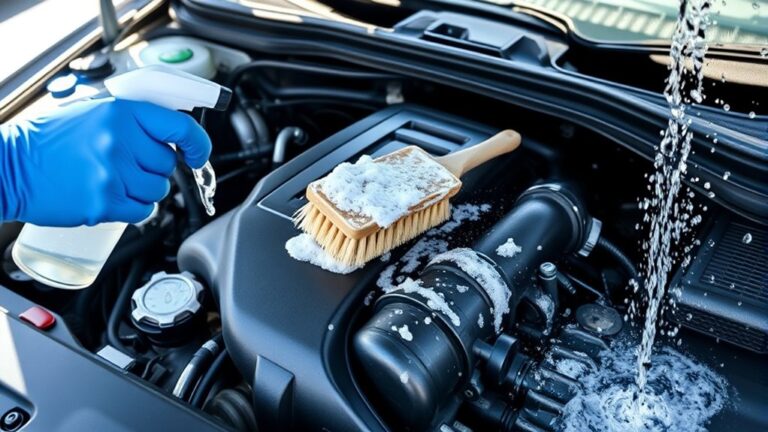
Keeping your car engine clean and well-maintained plays an essential role in deterring mice from making it their home. Regular engine maintenance reduces hiding spots and food sources that attract rodents. Make sure to clean debris, leaves, and any nesting materials from the engine bay.
Check for oil or fluid leaks, as these can create smells that lure mice. Tighten any loose wires or hoses to prevent mice from chewing on them, which could lead to costly repairs.
Incorporate mice prevention into your routine by inspecting your engine compartment weekly, especially if your car is parked for long periods. Use rodent-repellent sprays designed for automotive use, but avoid harsh chemicals that may damage engine parts.
Also, keep your garage or parking area clean and free from clutter to minimize the chances of mice nesting nearby. By staying proactive with engine maintenance, you’ll protect your vehicle and avoid the frustrating damage caused by mice.
Frequently Asked Questions
Can Mice Damage Other Parts of My Car Besides the Engine?
Yes, mice can damage other parts of your car besides the engine. They often chew on wiring, which can cause battery corrosion and electrical issues.
They also like nesting in your cabin insulation, leading to unpleasant odors and reduced comfort. If you don’t address the problem quickly, these little critters can cause expensive repairs beyond just engine trouble.
Keep an eye out and take steps to protect your entire vehicle.
Are Certain Car Models More Prone to Mice Infestations?
You might be surprised that studies show up to 30% of cars in certain areas face rodent issues. Yes, car model differences do matter. Some have engine compartments that are easier for mice to access, making them more prone to infestations.
If your car’s design leaves gaps or uses materials mice love to chew, it’s more vulnerable. Knowing this helps you take extra precautions based on your vehicle’s specific risks.
How Do Weather Changes Affect Mice Activity Around Cars?
You’ll notice that seasonal behavior heavily influences mice activity around cars. When temperatures drop, mice seek warmth and shelter, often hiding in engine compartments.
Conversely, warmer weather reduces their need to nest near your vehicle. Temperature impact drives their movement patterns, so during cold seasons, you should be extra cautious.
Understanding this helps you anticipate when mice are most likely to invade and take preventive measures accordingly.
Can Ultrasonic Devices Effectively Repel Mice From Vehicles?
You might think ultrasonic technology is just a gimmick, but it can actually help repel mice from your vehicle. These devices emit high-frequency sounds that are unpleasant for rodents, making them an effective pest control method without harmful chemicals.
While results vary, many drivers find ultrasonic devices reduce mouse activity around their cars. Just remember to use them consistently and combine them with other prevention tactics for the best protection.
Is It Safe to Use Chemical Repellents Near My Car Engine?
You should be cautious using chemical repellents near your car engine because some chemicals can damage wiring, plastic components, or paint. To protect engine safety, opt for repellents labeled safe for automotive use and avoid spraying directly on sensitive parts.
Always follow product instructions carefully. If you’re unsure, consider alternative methods like traps or natural deterrents to keep mice away without risking harm to your engine’s components.
Conclusion
Keeping mice out of your car engine is like guarding a treasure chest. Small steps can make a big difference.
By using deterrents, staying alert for nesting signs, and maintaining your engine regularly, you’re building a fortress that mice can’t breach. Think of your car as a cozy castle.
With these tips, you’ll keep unwanted guests at bay and guarantee your engine purrs smoothly every time you hit the road. Keeping mice out of car engines is easier than you think!