How to Keep Rat Away From Car Engine With 3 Easy Tips
How to Keep Rat Away From Car Engine? Dealing with rats nesting in your car engine can be incredibly frustrating. You’re not alone—many people struggle with this problem, especially in areas where rodents are common. These pesky critters can cause serious damage by chewing on wires and hoses, leading to costly repairs and unexpected breakdowns.
To keep rats away from your car engine, start by sealing any gaps around wires, hoses, or vents using steel wool and sealant to block their entry.
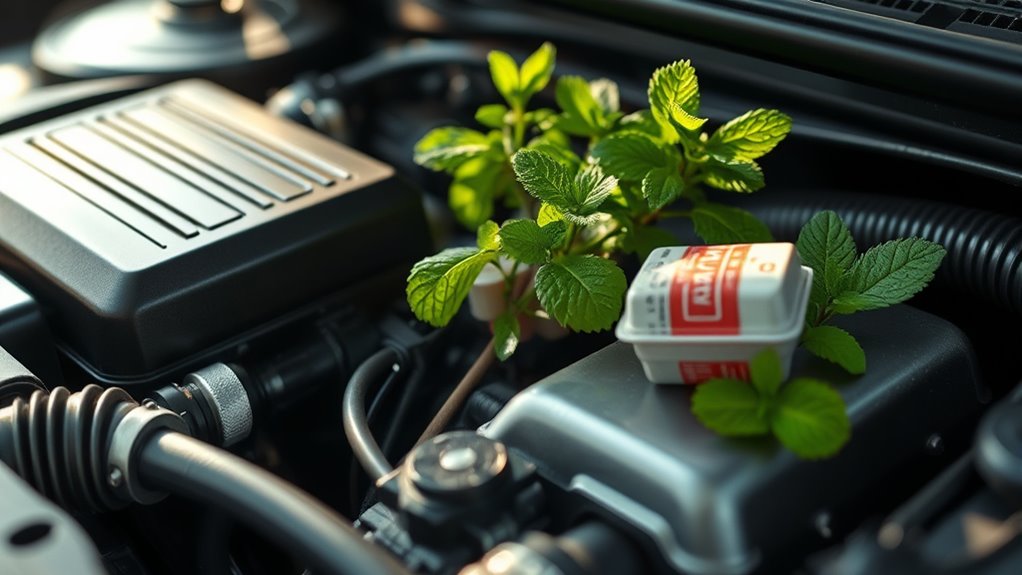
Next, use natural repellents like peppermint oil on cotton balls placed around the engine bay to deter them with strong scents.
Finally, keep the engine area clean by removing debris and food scraps that attract rodents.
Following these simple steps can greatly protect your vehicle, and there’s more you can do to make certain your car stays rat-free.
How to Keep Rat Away From Car Engine Key Takeaways
- Seal all gaps and holes in the engine compartment using steel wool and automotive sealant. This will help block rat entry effectively.
- Place cotton balls soaked in peppermint oil around the engine. The strong natural scent helps repel rats.
- Keep the engine area clean by removing food scraps, leaves, and debris that attract rodents.
- Regularly inspect under the hood to identify and fix new potential entry points promptly.
- Store your vehicle in a clean, clutter-free, and dry area to discourage rats from nesting nearby.
Identify and Seal Entry Points to Keep Rats Out of Your Car Engine
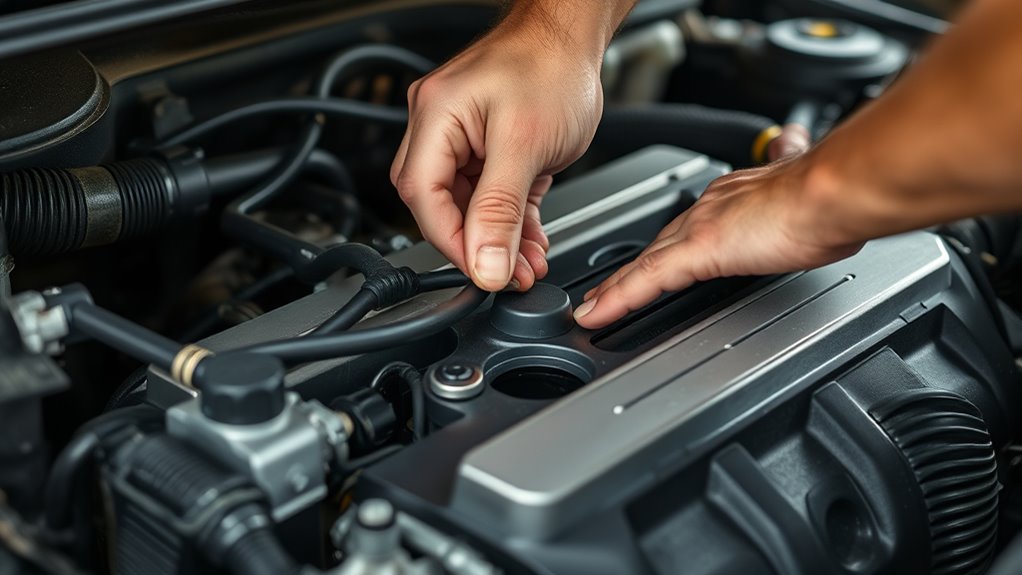
Before rats can settle into your car engine, you need to find and seal any gaps they might use to get inside. Start by conducting thorough engine compartment inspections. Look for openings around wiring, hoses, or vents where rodents could squeeze through.
Use a flashlight to spot even the smallest holes, as rats can fit into surprisingly tight spaces. Once you’ve identified entry points, apply rodent proofing techniques to block them effectively.
Steel wool and wire mesh are excellent for stuffing into gaps because they’re tough for rats to chew through. Follow up by sealing the area with silicone or automotive-grade sealant to guarantee a lasting barrier.
Regular engine compartment inspections help you catch new vulnerabilities early. By consistently identifying and sealing entry points, you create a strong defense that keeps rats from nesting or damaging your engine components.
Taking these proactive steps saves you from costly repairs and keeps your car running smoothly.
Use Natural Repellents Like Peppermint Oil to Deter Rats
Sealing entry points is a great start, but you can improve your car’s protection by using natural repellents. Rats rely heavily on their sense of smell, so exploiting rodent behavior with strong scents can keep them away. Peppermint oil is one of the most effective natural repellents because its sharp aroma irritates rats and discourages them from nesting in your engine.
Using peppermint oil’s strong scent is a natural way to deter rats from nesting in your car engine.
To use peppermint oil effectively:
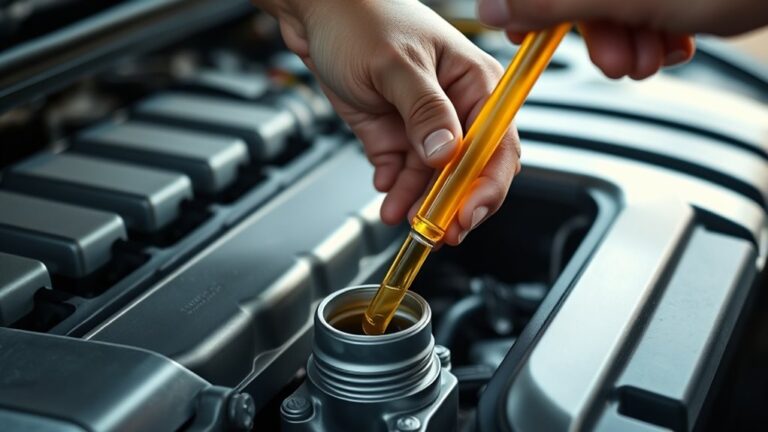
- Soak cotton balls with peppermint oil and place them around the engine compartment.
- Reapply the oil every few days to keep the scent strong.
- Combine peppermint oil with other natural repellents like clove oil or eucalyptus for increased protection.
Keep Your Car Engine Area Clean to Avoid Attracting Rats
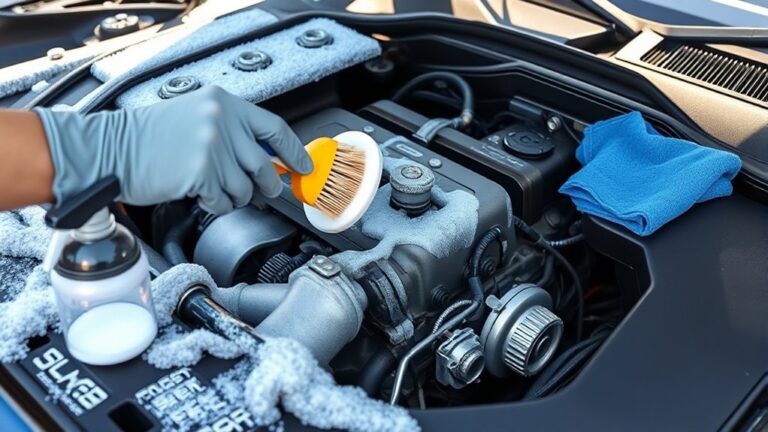
Because rats are attracted to food scraps and debris, keeping your car engine area clean can substantially reduce their interest in nesting there. Regularly check under your hood for any leaves, trash, or spilled food that might draw rodents in. Proper engine maintenance not only ensures your car runs smoothly but also removes hiding spots and food sources for rats.
Make it a habit to clean the engine bay gently, avoiding harsh chemicals that could damage components. Incorporate rodent proofing techniques like sealing gaps and storing your vehicle in a clean, dry place. Clearing clutter around your parking area further discourages rats from approaching your car.
Frequently Asked Questions
Can Rats Cause Damage to My Car’s Electrical System?
Yes, rats can definitely cause damage to your car’s electrical system. Their natural rodent behavior drives them to chew on wires and insulation, which can lead to shorts and costly repairs.
Ignoring this can disrupt your car’s functionality and safety. You should incorporate regular car maintenance checks to spot any signs of rodent damage early. Staying proactive helps protect your vehicle from these unexpected issues caused by rodents.
How Quickly Can Rats Infest a Car Engine Compartment?
Rats can infest your car engine compartment faster than you can blink, sometimes in just a few days! Once they find a cozy spot, rodent nesting kicks off immediately, and engine chewing begins to wreak havoc.
They love the warmth and shelter, making your engine their perfect hideout. Don’t underestimate their speed. Catching them early is essential to avoid costly damage and frustrating repairs down the road.
Are Ultrasonic Devices Effective in Repelling Rats From Cars?
Ultrasonic deterrents can help, but they’re not always foolproof in keeping rats away from your car. These devices emit sounds that irritate rodents, but their effectiveness depends on properly sealing all rodent entry points first.
If you don’t block those access areas, rats may ignore the ultrasonic waves and still nest in your engine. So, use ultrasonic deterrents alongside other prevention methods for the best results.
What Signs Indicate a Rat Infestation in a Vehicle?
You’ll notice signs of a rat infestation in your vehicle by checking for rodent entry points, like gaps or holes around the engine bay. Look for nesting habits, such as shredded materials or insulation tucked away under the hood.
You might also smell a strong musky odor or hear scratching noises when the engine’s off. Spotting droppings around wiring or hoses is another clear indicator you’ve got unwanted guests inside.
Can Professional Pest Control Services Help With Car Engine Infestations?
Yes, professional pest control services can definitely help with car engine infestations. When you schedule a professional inspection, experts identify any hidden nests or damage caused by rats.
They also provide effective pest prevention strategies tailored to your vehicle’s needs, ensuring the problem doesn’t come back. By relying on their experience, you’ll protect your car’s engine and avoid costly repairs, making it a smart choice to keep your ride rat-free.
Conclusion
You can keep rats away from your car engine by sealing entry points, using natural repellents like peppermint oil, and keeping the area clean.
Did you know rats can chew through wires and cause up to $1 billion in car repair damage annually? Taking simple steps can save you from costly repairs and headaches.
Stay proactive, and your car will stay rat-free and running smoothly. Don’t let these pests catch you off guard! Keeping rats away from your car engine is easier than you think.