How to Rev a Car Engine in 7 Easy Steps
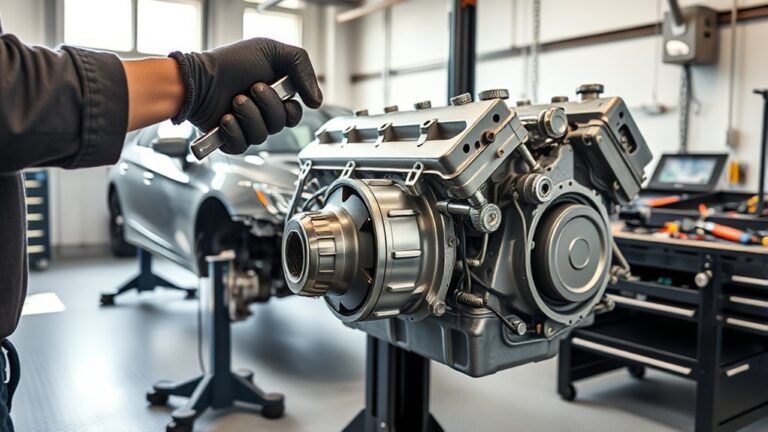
If you’ve ever wanted to rev your car engine but weren’t sure how to do it safely, you’re not alone. Many people struggle with finding the right balance between enjoying that powerful roar and keeping their engine in good shape. Understanding how to rev your engine properly can save you from costly repairs and help you appreciate your car even more.
To rev your car engine safely, first guarantee the car’s in park or neutral with the parking brake on. Check your oil, coolant, and battery before starting the engine and letting it warm up.
Gently press the accelerator to increase RPMs gradually while listening for unusual sounds.
Avoid sudden revving and never exceed the redline. After revving, let the engine idle to cool down properly. Following these steps sets you up well.
Keep going to understand proper care and sound cues.
Key Takeaways
- Ensure the vehicle is in neutral or park and the parking brake is engaged before starting the engine.
- Turn the ignition on, start the engine, and let it idle until it reaches operating temperature.
- Gently press the accelerator to gradually increase engine revs, avoiding sudden or excessive throttle inputs.
- Listen carefully for unusual engine sounds like knocking or rattling and ease off the throttle immediately if detected.
- After revving, keep the engine idling to allow proper cooling before turning it off to prevent overheating.
How to Rev Your Car Engine Step-by-Step
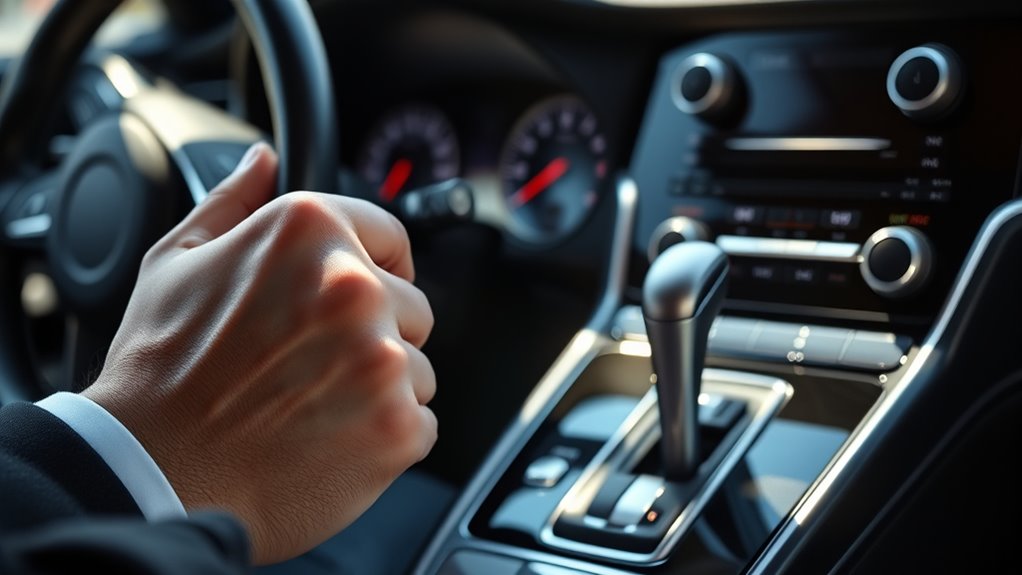
Before you start revving your car engine, make sure the vehicle is in neutral or park and that you’re in a safe, open area. First, turn the ignition on without starting the engine to familiarize yourself with the controls.
When ready, start the engine and let it idle for a few moments to reach operating temperature. Next, gently press the accelerator pedal to increase the engine revs while keeping a steady foot. You’ll want to avoid sudden or excessive revving.
Pay attention to the changes in the engine’s sound. This engine sound analysis helps you understand how the engine responds. Practice smooth revving techniques by gradually increasing and decreasing the throttle, which prevents strain on engine components.
Essential Car Checks Before Revving Your Engine
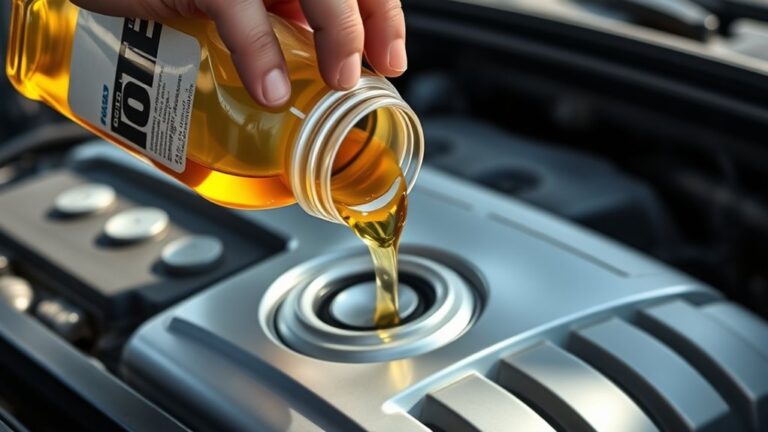
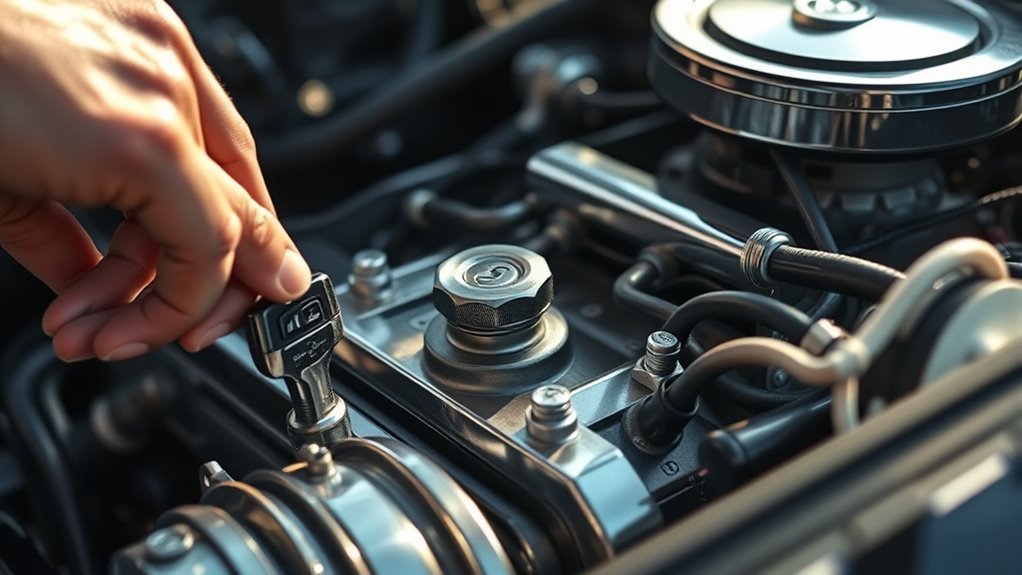
Before you start revving your engine, it’s a good idea to check the engine oil level. This helps keep everything running smoothly.
And while you’re at it, don’t forget to take a look at the coolant levels. That way, you can prevent your car from overheating.
Oh, and one more thing—make sure to check your battery condition. It’ll help you avoid any unexpected power issues down the road.
Check Engine Oil
How often do you check your engine oil level? Keeping an eye on oil quality is essential before revving your engine. Dirty or low oil can cause engine damage, so regular checks help maintain performance.
If the oil looks dark or gritty, it’s time for an oil change. Always check the dipstick when the engine is cool and parked on level ground.
| Check Point | What to Look For |
|---|---|
| Oil Level | Between minimum and max |
| Oil Color | Clear amber, not dark |
| Last Oil Change | Within recommended miles |
Inspect Coolant Levels
Why does checking your coolant level matter before revving your engine? Proper coolant levels prevent your engine from overheating, especially when you push it harder. Start by locating the coolant reservoir and confirm it’s filled between the minimum and maximum marks.
If your coolant is low, top it off with the recommended type specified in your owner’s manual. Next, perform a radiator inspection to spot any leaks, cracks, or corrosion that might cause coolant loss.
Don’t forget to check the radiator cap for a secure fit and damage. If you notice any issues during your inspection or coolant levels keep dropping, address them before revving your engine.
Ensuring your cooling system is in good shape helps maintain engine performance and prevents costly damage.
Verify Battery Condition
Keeping your cooling system in check sets the stage for a smooth start, but your battery also plays a key role in how your engine responds when you rev it. Before you rev your engine, verify battery condition by checking battery health and voltage levels.
Use a multimeter to measure voltage; a fully charged battery should read around 12.6 volts or higher. If voltage levels fall below 12.4 volts, your battery may be weak and struggle to provide sufficient power.
Also, inspect the battery terminals for corrosion or loose connections, as these can affect performance. Ensuring your battery is in good health prevents starting issues and supports consistent engine response when revving.
Don’t skip this step. It’s essential for a reliable and smooth engine revving experience.
Starting Your Engine Safely Before Revving
Before you rev your engine, first check that the engine oil level is just right to keep everything running smoothly. It’s important to let your car warm up properly, too, so you can avoid unnecessary wear. And don’t forget—always keep the vehicle in park while starting up to stay safe.
Check Engine Oil
How can you guarantee your engine runs smoothly when you start it? First, check the engine oil. Proper oil viscosity is essential since it ensures the oil flows correctly, lubricating engine parts effectively.
If the oil is too thick or thin, your engine won’t perform at its best, and you might hear unusual engine noise. Before revving, inspect the oil level with the dipstick, wiping it clean, reinserting, then checking again.
Low or dirty oil can cause increased friction and damage. If the oil looks dark or gritty, it’s time for a change. Maintaining the right oil viscosity and level helps prevent excessive engine noise and wear, letting you rev confidently without risking harm.
Always prioritize this step before moving forward.
Ensure Proper Warm-Up
Why does your engine need to warm up before you rev it? Warming up guarantees oil circulates fully, reducing friction and wear. This is especially important after performance upgrades or engine tuning. Cold engines are fragile; revving too soon can cause damage or reduce the lifespan of your upgrades.
Take a moment to let your engine reach its ideal operating temperature. This process not only protects engine components but also maximizes the benefits of your tuning and upgrades.
| Feeling | Reason to Warm-Up |
|---|---|
| Confidence | Protects engine integrity |
| Satisfaction | Improves performance gains |
| Safety | Prevents premature wear |
| Pride | Maintains upgrade quality |
| Control | Smooth, responsive revving |
Proper warm-up is key to revving safely and keeping your tuned engine happy.
Secure Vehicle In Park
Once your engine reaches the right temperature, the next step is to make sure your vehicle is securely in park. This step is essential for parking safety and maintaining vehicle stability before you rev the engine.
Follow these simple actions to keep everything safe:
- Engage the parking brake firmly to prevent any unintended movement.
- Shift the gear lever into the “Park” position, ensuring the transmission locks properly.
- Double-check that the vehicle is stable by gently releasing the brake pedal and confirming it doesn’t roll.
Why and When You Should Rev Your Engine
Although revving your engine might seem like just a way to make noise, it actually serves important purposes in certain situations. You might rev your engine during engine tuning to check how well it responds and runs at different speeds, ensuring everything is working smoothly.
Revving can also help improve fuel efficiency by warming up the engine faster, especially in colder weather. This allows the fuel to combust more effectively.
Knowing when to rev your engine matters. For example, before driving off, a short rev can prepare the engine for immediate performance. However, avoid revving unnecessarily to prevent wear.
| Situation | Why Rev? | How It Feels |
|---|---|---|
| Engine tuning | Check performance | Confidence in your car |
| Cold starts | Warm engine | Assurance and readiness |
| Before driving | Prepare engine | Smooth, powerful start |
| Testing throttle | Response feedback | Control and connection |
Controlling RPMs to Avoid Engine Damage
Knowing when to rev your engine is important, but controlling how high your RPMs go matters even more. Over-revving can lead to serious engine damage, so mastering rpm control is essential. Pay close attention to your engine sound; it’ll give you clues about when you’re pushing too hard.
To keep your engine safe, remember these three key points:
- Know Your Redline: Each car has a maximum RPM limit. Avoid exceeding this to prevent valve float or engine wear.
- Gradual Acceleration: Increase RPMs smoothly to minimize stress on engine components.
- Monitor Engine Sound: Sharp or erratic noises mean you’re pushing beyond safe rpm limits and should ease off immediately.
Sounds to Listen For When Revving Your Engine
When you rev your engine, paying close attention to the sounds it makes can help you avoid damage and improve performance. One key sound to listen for is engine knocking, a sharp, metallic noise that signals improper combustion.
If you hear knocking, it means your engine is under stress. You should ease off the throttle immediately to prevent serious damage.
Another important sound is exhaust noise. While a louder exhaust noise during revving is normal, unusual rattling or popping sounds can indicate issues like a loose muffler or exhaust leak.
These noises shouldn’t be ignored because they can affect engine efficiency and emissions. By tuning into these sounds, you can spot problems early and keep your engine running smoothly.
Cooling Down Your Engine After Revving
Paying attention to engine sounds while revving helps you catch problems early, but it’s just as vital to care for your engine afterward. Cooling down your engine properly prevents engine overheating and avoids damage caused by sudden temperature changes. Here’s how you can do it effectively:
- Let Your Engine Idle: After revving, keep your engine running at idle for a few minutes. This allows the coolant to circulate and stabilize the engine temperature.
- Check for Coolant Leaks: Examine under your car for any signs of coolant leaks, which can cause overheating if unnoticed.
- Avoid Shutting Off Immediately: Don’t turn off your engine right after heavy revving. Abrupt shutdown can trap heat, increasing the risk of engine overheating.
Frequently Asked Questions
Can Revving Improve Fuel Efficiency?
No, revving your engine won’t improve fuel efficiency. In fact, it can increase fuel consumption because the engine uses more fuel at higher RPMs.
Plus, revving too much may lead to engine overheating, causing damage over time. If you want better fuel efficiency, focus on smooth acceleration and maintaining steady speeds.
Revving is more about performance or sound, not saving fuel or improving your car’s economy.
Does Revving Affect Car Insurance?
When it comes to insurance implications, don’t count your chickens before they hatch. Revving your engine itself usually won’t directly affect your car insurance. However, if your driving habits include aggressive revving that leads to accidents or traffic violations, your premiums could rise.
Insurers look at your overall behavior behind the wheel, so keeping your driving smooth and safe is the best way to avoid any negative impact on your insurance.
How Does Engine Size Influence Revving?
Engine size directly influences how you rev your car. With a larger engine capacity, you’ll notice a smoother and often slower rev because it produces more power output at lower RPMs.
Smaller engines, on the other hand, rev higher and faster to deliver power. So, when you rev, your car’s engine capacity determines the sound, response, and power feel, making each vehicle’s rev unique to its design and performance.
Are Electric Cars Revvable Like Gasoline Cars?
You won’t hear the traditional roar when revving an electric car’s engine because electric engines don’t have the same sound characteristics as gasoline ones. Instead, they offer a smooth, quiet hum that ramps up instantly.
While you can accelerate rapidly, the lack of mechanical noise means you don’t get that classic revving feel. So, you can “rev” an electric car, but it’s a different, more subtle experience without the familiar engine growl.
What Tools Measure RPMS Accurately?
You can use digital tachometers and handheld RPM meters for tachometer accuracy when measuring your engine’s revolutions per minute. These RPM measurement tools connect to your car’s ignition system or sensor, giving precise readings.
Some apps paired with an OBD-II scanner also offer reliable RPM data. Make certain to pick tools calibrated for your engine type to guarantee accuracy and avoid misleading RPM measurements during your tuning or diagnostics.
Conclusion
Now that you know how to rev your engine safely, remember it’s more than just a thrill; it’s about control. Did you know most engines can handle up to 6,000 RPMs before risking damage?
By following these steps, you’ll avoid costly repairs and keep your car running smoothly. Always listen to your engine’s sounds and cool it down afterward.
With practice, revving your engine becomes a skill that’s both fun and safe. So keep these tips in mind to master how to rev a car engine effectively.